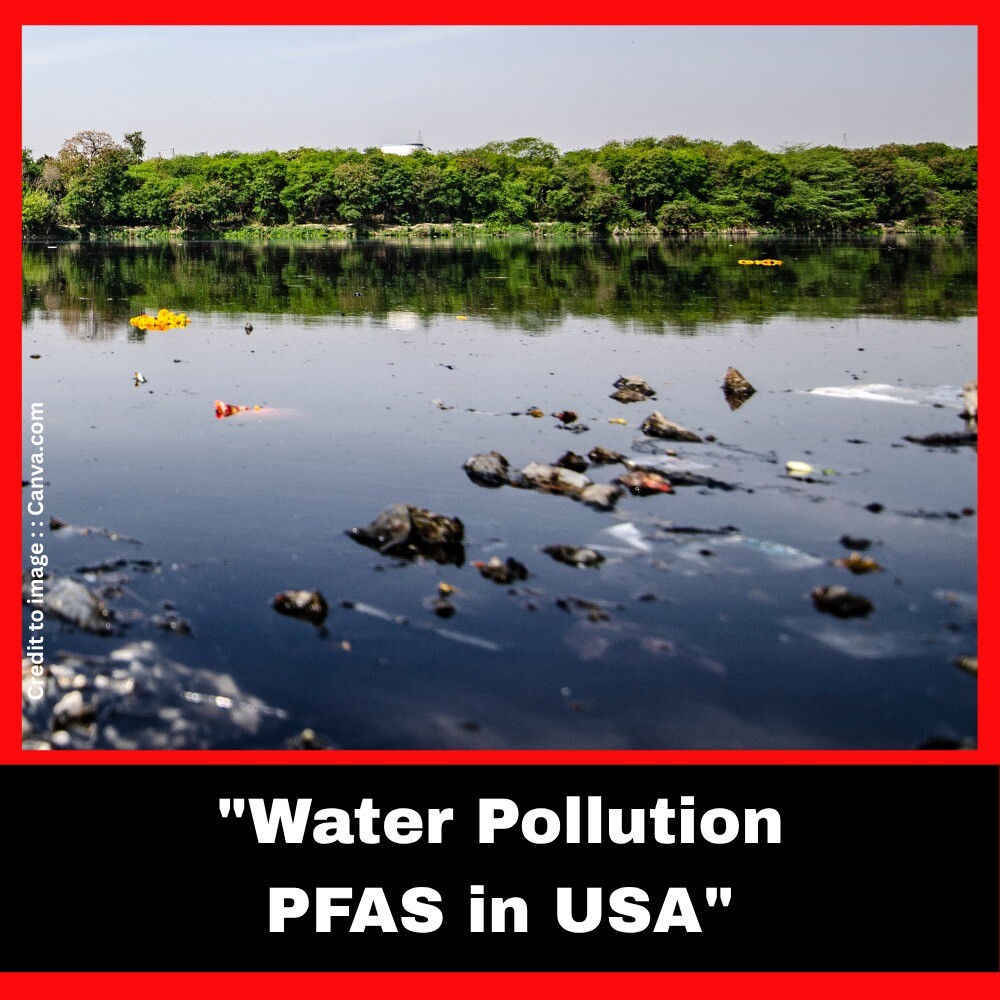
Water pollution in the United States is a complex mix of legacy contaminants (lead, arsenic), nutrient and microbial runoff, and newer chemical threats such as PFAS (“forever chemicals”) and microplastics. Recent surveys show PFAS are widely detectable in U.S. supply tap water remains in use, yet nationwide studies continue to highlight ongoing nutrient contamination in rivers and streams. This article summarizes current data, explains health risks (including links with cancer and other chronic diseases), reviews U.S. policy and EPA actions, and outlines practical solutions for communities, utilities, and policymakers to reduce chemical contamination and protect drinking water. Article “Water Pollution – PFAS in USA : Lead, Microplastics and EPA Role “ elaborate in depth as per following table of content :
Key evidence used in this article includes EPA rule updates, USGS national studies, WHO reviews of microplastics, and national water quality assessments
Table of contents
- Introduction — Water pollution & PFAS in the USA
- Short primer: What are PFAS?
- Data tables — U.S. water pollution (2 tables) & chemical pollution (1 table)
- Global water pollution snapshots — country-wise tables (2 tables)
- Health impacts: PFAS, microplastics, and cancer links
- Tackling water pollution — practical solutions and emerging technologies
- How policies and the EPA shape water protection — current regulations and where they fall short
- Summary & conclusion
- FAQs
- References
1.Introduction — Water Pollution – PFAS in USA
Water pollution in the U.S. today is a layered problem: point-source discharges (industrial effluent, wastewater treatment outfalls), non-point runoff (agriculture, urban stormwater), legacy contaminants (lead from old pipes, arsenic), and emerging chemical contaminants such as PFAS and microplastics. PFAS are particularly troubling since many forms can linger in the environment forever and resist removal through standard water treatment methods. National monitoring and studies have found wide occurrence of PFAS in drinking water and persistent nutrient pressures in rivers and streams. Water Pollution – PFAS in USA is new challenge.
2. Short primer: What are PFAS ?
PFAS (per- and polyfluoroalkyl substances) are a family of thousands of manufactured chemicals used for nonstick coatings, stain-resistant textiles, firefighting foams, and many industrial applications. They are often called “forever chemicals” because of their strong carbon-fluorine bonds that resist natural breakdown. Some PFAS (e.g., PFOA, PFOS) have documented health risks and are subject to regulatory limits; many others remain less well studied.
3. Data tables — United States : Water Pollution – PFAS in USA
USA National snapshots (selected indicators) :Table A
| Indicator | Latest figure (approx.) | Note / source |
| % of tap water samples with ≥1 PFAS detected (tested set) | ~45% (USGS study estimate) | USGS national tap-water study tested 32 PFAS compounds. (USGS) |
| Rivers/streams in poor condition for phosphorus | ~42% of river/stream miles | EPA National Rivers & Streams Assessment. (US EPA) |
| In United States Rivers/streams are in poor condition for nitrogen as per US EPA | ~44% of river/stream miles | EPA National Rivers & Streams Assessment. (US EPA) |
| Number of lead service lines estimated to be replaced (target) | ~9 million lines to be removed under recent LCR improvements | EPA’s LCR improvements and program expectations. (suburbantestinglabs.com, Health) |
(Numbers are rounded and depend on sampling methods and the range of chemicals tested.)
Chemical contaminants commonly monitored in U.S. drinking water systems : Table B
| Chemical group | Typical sources | Primary concerns / effects | Notes |
| PFAS (PFOA, PFOS, others) | Industrial sites, firefighting foam, wastewater biosolids, manufacturing | Cancer risk, immune effects, developmental impacts, cholesterol changes | Many PFAS are persistent and bioaccumulative; EPA has set standards for some PFAS and is updating rules. (US EPA) |
| Lead | Corroding lead service lines, plumbing fixtures | Neurodevelopmental harm in children, cardiovascular in adults | New Lead & Copper Rule improvements push for active replacement and lower action levels. (US EPA, Federal Register) |
| Nitrate / Nitrite | Agricultural fertilizer runoff, septic systems | Methemoglobinemia in infants, other long-term risks | High in agricultural watersheds; relates to nutrient pollution and algal blooms. (US EPA) |
| Arsenic | Natural geology, some industrial discharges | Skin lesions, cancer (skin, bladder), cardiovascular | Regulated under NPDWR; groundwater wells often need testing. |
| Disinfection by-products | Chlorination of organic matter | Possible cancer and reproductive risks over long exposure | Trade-off between microbial disinfection and chemical by-products. |
(This table synthesizes monitoring priorities from public health and EPA resources.)
4. Global snapshots — country-wise tables
Table C — Global access & contamination overview (selected facts)
| Metric | Figure / example | Source |
| People without safely managed drinking water (global) | ~2.2 billion (2022) | UNESCO / WWDR 2024. (UNESCO) |
| PFAS detection in many countries at international level | PFAS contamination detected in drinking water; occurrence depends on industrial use and regulations in many countries . | USGS / OECD summarize widespread PFAS concerns. (USGS, OECD) |
| Microplastics in bottled & tap water | Detected worldwide; concentrations vary widely by study and method | WHO review and global literature. (World Health Organization) |
Table D — Country-level water quality (illustrative comparison)
| Country | Notable water pollution concern | Typical driver |
| USA | Areas with high PFAS contamination, nutrient overload, and aging lead pipe infrastructure | Industrial PFAS use, agriculture, aging infrastructure. (USGS, US EPA) |
| India | Microbial contamination, arsenic in groundwater (regions), industrial effluent | Sanitation gaps, groundwater overuse. (UN Water) |
| China | Industrial discharge, nutrients, microplastics | Rapid industrialization and urbanization |
| EU countries (varies) | Agricultural runoff, chemical contaminants | Intensive agriculture; strong regulatory frameworks improving status |
| Australia | Salinity in some basins, agricultural runoff | Land use & climate variability |
(Country comparisons are illustrative — the prevalence and drivers of water pollution vary with governance, industry, and monitoring capacity.)
5. Health impacts — PFAS, microplastics, and cancer links
PFAS:
Epidemiological and toxicological studies associate some PFAS (PFOA, PFOS) with increased risk of certain cancers (kidney, testicular), elevated cholesterol, immune suppression, and developmental effects in children. Public health agencies (ATSDR, EPA) are actively evaluating exposures and health endpoints. (US EPA, ATSDR)
Microplastics :
Microplastics have been found in both bottled water and tap water supplies.The WHO and recent systematic reviews note the need for more toxicological evidence; early lab and animal studies show potential for inflammation, oxidative stress, and cellular damage, but human health risk quantification remains uncertain. Continued monitoring and standardized methods are high priorities. (World Health Organization, PMC)
Lead and other chemicals:
Lead exposure (including from water) causes irreversible neurodevelopmental harm in children and contributes to cardiovascular disease in adults. Other chemicals (arsenic, certain disinfection byproducts) have established carcinogenic or chronic disease associations. EPA and public health bodies treat these as high-priority contaminants. (US EPA, CDC)
6. Tackling water pollution — practical solutions and emerging technologies At community & utility scale
- Upgrade treatment plants with technologies that remove PFAS (granular activated carbon, ion exchange, high-pressure membranes), where feasible. (US EPA)
- Accelerate lead service line inventories and replacement programs; provide certified water filters as interim protection. (US EPA)
- Implement nutrient management (precision agriculture, buffer strips, constructed wetlands) to lower nitrate/phosphorus runoff. (US EPA)
- Try to Expand monitoring (including more PFAS species and microplastics) and transparent public reporting about the water contamination and PFAS etc.
At household & individual level
- Use certified point-of-use filters (look for NSF/ANSI standards for lead and specific PFAS reduction).
- Run cold water for a few seconds before drinking if plumbing is old; avoid using hot tap water for cooking or formula.
- Test private wells annually for nitrates, arsenic, and where relevant, PFAS.
Tech & innovation
- We should adopt and Promote wastewater reuse and nutrient recovery (This is a circular economy approaches).
- Support development of low-cost PFAS treatment, PFAS destruction (advanced oxidation, plasma, thermal methods), and improved microplastics capture in treatment trains.
7. How policies and the EPA shape water protection — current regulations and where they fall short
- Safe Drinking Water Act (SDWA) — primary federal framework for regulating public drinking water contaminants; EPA sets National Primary Drinking Water Regulations (NPDWRs).
- PFAS rules: EPA issued legally enforceable standards for certain PFAS (e.g., PFOA, PFOS) in 2024 and continues to update compliance frameworks and timelines; in 2025 EPA also adjusted implementation timelines and related actions. These regulatory moves are designed to reduce exposures for millions. (US EPA)
- Lead & Copper Rule Improvements (LCRI / LCRR): EPA has been pushing for lower lead action levels, lead service line inventories, and active replacement programs to remove an estimated ~9 million lead pipes, with funding and implementation timelines. (Federal Register, Health)
Role of EPA
- Sets contaminant maximum contaminant levels (MCLs) where sufficient science exists; issues guidance, enforcement actions, and technical assistance. EPA also funds states and utilities for infrastructure upgrades and conducts national monitoring and research programs. The agency’s PFAS actions and lead rule changes are central U.S. policy levers.
Policy gaps & challenges
- Thousands of PFAS variants exist; regulation for a subset leaves many unregulated.
- Treatment costs for small systems can be prohibitive — federal funding and equitable allocation are critical.
- Non-point pollution (agricultural runoff) often relies on voluntary measures; stronger incentives or regulation may be needed to meet water quality goals.
8. Summary & conclusion
Water pollution in the U.S. remains a pressing public health and environmental issue driven by nutrient runoff, legacy contaminants like lead, and a rising prominence of chemical threats such as PFAS and microplastics. Recent national studies show widespread PFAS detection in tap water and persistent nutrient problems in rivers and streams. Policy steps — EPA’s PFAS and Lead & Copper actions — represent major moves but implementation, funding, and science gaps (especially for many unregulated PFAS and for micro/nanoplastics) remain. A combined approach of monitoring, infrastructure investment, source control, and stronger regulations — alongside community engagement — is essential to secure safe drinking water for all communities.
Key evidence summarizing these claims comes from EPA rule pages, USGS monitoring, WHO reviews on microplastics, and national water quality assessments.
9. FAQs : Water Pollution – PFAS in USA
- What are PFAS and why are they dangerous?
PFAS are synthetic “forever chemicals” used in many products; some types (e.g., PFOA/PFOS) are linked to cancer, immune suppression, and developmental issues. EPA and public-health agencies are actively studying and regulating them. - How common are PFAS in U.S. tap water?
A major USGS study estimated PFAS were detectable in about 45% of tested tap-water samples (study tested 32 PFAS). Detection frequency depends on location and industrial history. - Are PFAS removed by typical municipal water treatment?
Conventional treatment (coagulation, filtration, chlorination) does not reliably remove many PFAS. Specialized treatments (granular activated carbon, ion exchange, reverse osmosis) are effective but costly. - Can PFAS cause cancer?
Epidemiological evidence links certain PFAS to increased risks of some cancers (e.g., kidney and testicular with some compounds). Agencies classify risks based on available studies and continue research. - What are the responsibilities of households to reduce PFAS and lead exposure ?
Use certified filters (NSF/ANSI standards for lead/PFAS reduction), test private wells, avoid using hot tap water for cooking, and run taps after long stagnation. Get a plumber or utility to identify service line material.
FAQs : Water Pollution – PFAS in USA
1.Are microplastics in drinking water dangerous?
Both tap water & bottled water have been found to contain microplastics. Science on long-term human health effects is still emerging; research suggests possible inflammation and cellular effects but more human studies are needed. WHO and recent reviews call for standardized monitoring and more research.
2.What is EPA doing about PFAS?
EPA has issued legally enforceable drinking water standards for certain PFAS, continues to refine compliance timelines and testing guidance, and funds cleanup and monitoring initiatives.
3.Is my city water safe?
Safety varies. Most large public utilities monitor regulated contaminants and issue Consumer Confidence Reports; check your local utility’s report and test if you suspect issues. NSF certified filters and point-of-use systems can add protection.
4.How many lead pipes remain in the U.S.?
Estimates suggest millions of lead service lines remain; EPA rules aim to accelerate replacement of roughly 9 million lines over time. Replacement is expensive, so federal funding and prioritization for disadvantaged communities are critical.
FAQs : Water Pollution – PFAS in USA
5.Can PFAS be destroyed?
Some advanced methods (high-temperature incineration, specialized chemical destruction, advanced oxidation) show promise for PFAS destruction, but scale, cost, and by-product control remain challenges.
6.What policies reduce nutrient pollution?
Best management practices in agriculture (precision fertilization, buffer strips), stormwater green infrastructure, and stronger regulation/incentives can reduce nitrogen and phosphorus runoff. Monitoring and enforcement are necessary to ensure effectiveness.
7.Will bottled water protect me from PFAS?
Not necessarily — PFAS and microplastics have been found in some bottled water samples; testing and treatment vary by brand and region. Use certified treatment if PFAS is a concern.
8.Are small water systems at higher risk?
Small systems often lack resources for advanced treatment and monitoring, making them more vulnerable to contaminant detection and slower to comply with new regulations. Federal and state support is needed.
9.How can communities fund upgrades?
Funding can come from federal programs (infrastructure bills, EPA grants/state revolving funds), state grants, and targeted local financing. Prioritizing equity helps protect disadvantaged populations.
10. References (selected, authoritative — click through for details)
- EPA — PFAS overview & actions. (US EPA)
- USGS — Tap water PFAS national study (2023 summary). (USGS)
- EPA — National Rivers & Streams Assessment (nutrient condition). (US EPA)
- WHO — Microplastics in drinking water report. (World Health Organization)
- ATSDR / CDC — PFAS and your health resources. (ATSDR)
- EPA — Lead and Copper Rule updates / LCRI documents. (Federal Register, US EPA)
- US UNESCO / World Water Development Report (global water access). (UNESCO)
- . (US EPA, USGS, World Health Organization, US EPA)
Call for Papers – Special Offer for Early Contributors
Prakriti Darshan – International Journal of Environment Science and Multidisciplinary Studies
🌐 Visit Website


Dear Researchers, Academicians, and Environmental Enthusiasts,
We are delighted to announce a new initiative by Prakriti Darshan, dedicated to advancing knowledge, awareness, and global dialogue on environmental science and multidisciplinary studies.
To mark the launch of this platform, we are offering a special limited-time opportunity:
🎉 First 25 Articles – Publication Absolutely FREE!
Why Publish with Us?
- No Publication Fee for the first 25 accepted articles.
- Peer-Reviewed: Maintain the highest academic and research standards.
- Global Visibility: Indexed and accessible to readers worldwide.
- Multidisciplinary Scope: Covering environment, biodiversity, climate change, sustainable development, disaster management, and more.
- Fast & Transparent Review Process: Fair and efficient evaluation by subject experts.
- Author Benefits: Wide dissemination, citation opportunities, and digital object identifiers (DOI) for published works.
Who Can Contribute?
- Researchers & Scholars
- University Faculty
- Environmental NGOs
- Policy Experts
- Independent Writers & Thinkers
How to Submit?
- Visit: https://prakritidarshanjournal.com/index.php/pdijemds/index
- Register as an author.
- Click and Upload your manuscript or Submit Article .
Important:
📌 This offer is available for the first 25 accepted articles only—on a first-come, first-served basis.
Let your research reach a global audience, inspire change, and contribute to a sustainable future.
🌱 Together, let’s make knowledge the seed for a better planet.
Editorial Board
Prakriti Darshan – International Journal of Environment Science and Multidisciplinary Studies
PRAKRITI DARSHAN-NATURE AND ENVIRONMENT MAGAZINE
Prakriti Darshan is a leading Hindi-language magazine and digital platform dedicated to raising public awareness on vital issues related to nature, biodiversity, climate change, sustainable development, and environmental conservation. This magazine represents a unique blend of science, society, and sensitivity—offering a common platform for researchers, students, NGOs, policymakers, nature lovers, and conscious citizens alike.
With thought-provoking articles, inspiring stories, environmental research, impactful projects, and policy perspectives, Prakriti Darshan is a transformative journey toward a greener and more sustainable future.
Let us come together to protect and preserve our planet for generations to come. 🌿🌍
Join us in our mission to protect and celebrate the planet. 🌏💚
Click for more information
- Visit www.prakritidarshan.com for Free Magazine ,Free membership benefits ,offered price magazine @ Rs.1 or Rs.11 only and more ……
- 🎗️Sponsor Prakriti Darshan Magazine – Support our environment mission.
- 📚 Explore the Environment Magazine – Read our latest and past issues.
- ✍️ Read Editor’s Article or Blog – Insightful thoughts from our editorial desk.
- 🌱 Join Membership – Be part of India’s leading green community.
- 🤝 Become an NGO Impact Story Partner – Share your grassroots impact nationwide.
- 🏢 Become a Company Partner – Showcase your CSR, ESG, or sustainability work.
- 👤 Become an Individual Partner – Volunteer, write, and raise your green voice.
- 📢 Advertise with Us – Reach eco-conscious readers across India.
- Eco Trails Newsletter
- Donate for “Hari Ho Vashundhara & Har school Hariyali “ Plantation campaign Associated Partner NGO :GDSS NGO www.gdssngo.org
BALA DATT SHARMA,
MANAGING EDITOR ,
PRAKRITI DARSHAN-NATURE AND ENVIRONMENT MAGAZINE