

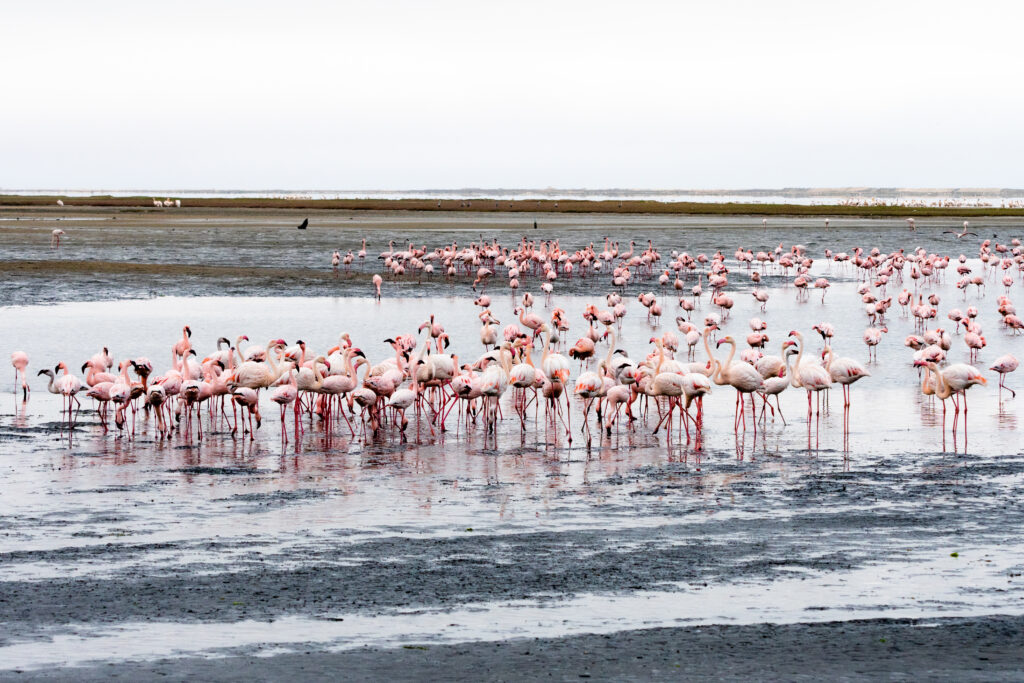
Lake Natron – Deadly Lake , nestled in northern Tanzania near the Kenyan border, is a hauntingly beautiful yet deadly ecosystem. Its crimson-red waters, high alkalinity, and scorching temperatures make it one of the most inhospitable natural environments on Earth. Yet, paradoxically, it harbors life—most notably, flamingos that thrive where few others can survive. This article explores the science, mystery, and real facts about the Lake Natron. Through scientific data and a human-centered narrative, we dive deep into this deadly wonder to uncover why it fascinates biologists, geologists, photographers, and nature lovers alike.
Table of Contents
- Introduction
- Where Is Lake Natron Located?
- Why Is Lake Natron Considered Deadly?
- Scientific Data and Composition
- How Do Animals Survive Here?
- Lake Natron and Climate Change
- Lake Natron in Myth and Media
- Summary
- Conclusion
- Frequently Asked Questions (FAQs)
- References
- Join the Movement – Prakriti Darshan Magazine
- Publish in Prakriti Darshan International Journal
Introduction :Lake Natron – Deadly Lake
Lake Natron looks like a scene from another planet. Lying in the Great Rift Valley of East Africa, it’s known not only for its startling red hue but also for the bizarre phenomenon of “petrified animals” found along its shores. With temperatures soaring above 60°C (140°F), and an alkalinity comparable to ammonia, the lake holds secrets that defy the laws of survival. This paradox of death and life offers a compelling lens into the resilience of nature and the fragile balance of biodiversity in extreme environments.

Where Is Lake Natron – Deadly Lake Located?
- Geographical Location: Northern Tanzania, near the border of Kenya
- Coordinates: 2°25′S 36°00′E
- Altitude: Approximately 2,000 feet or 600 meters above the sea level
- Nearby Landmarks: Ol Doinyo Lengai volcano (active), Serengeti Plains, Lake Magadi
Lake Natron lies in the East African Rift system, a geologically active region with volcanic activity influencing the lake’s chemical makeup.
Why Is Lake Natron Considered Deadly?
The lake natron known as “deadly lake ” because of following characteristics :
- Extreme alkalinity (pH 9 to 10.5)
- High sodium carbonate and natron levels (from volcanic ash)
- Scalding surface temperatures (up to 60°C or 140°F)
- Preserving effect on dead animals, making them appear “calcified” or “mummified”
These harsh conditions are lethal to most life forms, but some microbes and birds, like flamingos, have adapted to thrive here.
Scientific Data Tables
Chemical Composition of Lake Natron
| Compound | Concentration (approx.) | Effect on Organisms |
| Sodium Carbonate (Na₂CO₃) | 20-30% | Causes desiccation in unadapted life |
| Natron (Na₂CO₃·10H₂O + NaHCO₃) | Very High | Preserves dead tissue, mummifies animals |
| pH Level | 9.0 to 10.5 | Highly alkaline, deadly for most life |
| Water Temperature | 40°C to 60°C | Surpasses tolerance for most fish |
Fauna Adapted to Lake Natron
| Species Name | Common Name | Adaptation |
| Phoenicopterus minor | Lesser Flamingo | Specially adapted to alkaline waters |
| Spirulina platensis | Algae | Thrives in high-pH, nutrient-rich water |
| Alkaliphilic microbes | Cyanobacteria | Form red pigments, giving lake its color |
Environmental Risk Data
| Year | Major Threat | Description |
| 2011 | Soda Ash Extraction Plan | Threatened flamingo nesting site (project halted) |
| 2016 | Climate Variability | Reduced lake levels, increased salinity |
| 2022 | Tourism Impact | Disturbance to bird populations and shoreline |
How Do Animals Survive Here?
Despite its deadly chemistry, Lake Natron is a crucial breeding ground for 2.5 million lesser flamingos, which rely on the lake’s isolation and salty crusts to nest safely. These flamingos feed on Spirulina algae, which bloom in abundance. Their tough skin and special gland systems allow them to tolerate high salinity and alkalinity levels, making them one of nature’s most specialized survivors.
Lake Natron and Climate Change
Lake Natron is highly sensitive to temperature shifts and precipitation patterns. Even slight changes affect water levels, salinity, and algal blooms. As climate change escalates, the fragile ecosystem of the lake—and its flamingo population—is under increasing threat.
Lake Natron in Myth and Media
Lake Natron has inspired awe and fear in equal measure:
- Myth: Locals believe it is cursed or a “mirror of death”
- Media: Renowned photographer Nick Brandt captured haunting images of calcified animals along Lake Natron’s shores, which quickly went viral and ignited worldwide fascination.
- Documentaries: Featured in BBC’s Planet Earth II and National Geographic specials
Summary
Lake Natron stands as a paradox: a vibrant cradle of life in a pool of death. It embodies the planet’s extremes and adaptations, providing scientists with a living lab of evolution and resilience. As one of the most surreal and photogenic natural locations on Earth, it continues to spark scientific research, tourism, and conservation concerns.
Conclusion
Lake Natron defies conventional ideas about survival, biodiversity, and the delicate balance of ecosystems. It reminds us that even in the harshest places, life finds a way. However, this fragile ecosystem is at risk—from industrialization, tourism, and climate shifts. Global awareness and conservation efforts are vital to protect this unique landscape and its remarkable inhabitants.
FAQs About Lake Natron – Deadly Lake
- Why does Lake Natron look red?
Due to the presence of salt-loving algae and cyanobacteria which produce red pigments. - Can humans swim in Lake Natron?
No. The alkaline water can cause irritation & severe burns . - Why are animals found “petrified” near Lake Natron?
The high alkalinity preserves dead tissue, making animals appear mummified. - What is the pH level of Lake Natron?
Between 9.0 and 10.5—comparable to ammonia. - Which bird species breeds here?
Over 75% of the world’s lesser flamingos. - Is Lake Natron a volcanic lake?
Yes, it is influenced by volcanic ash from Ol Doinyo Lengai. - Why is it called ‘Deadly Lake’?
Because it kills and preserves most living beings that come in contact with it. - Can fish live in Lake Natron?
No fish species can survive its extreme conditions.
FAQs About Lake Natron – Deadly Lake
- What algae grows in Lake Natron?
Primarily Spirulina platensis. - Is the lake protected?
Yes, it falls under Ramsar Wetland protection. - How hot does the lake get?
Surface temperatures can exceed 60°C (140°F). - Is there any danger to the flamingos?
Yes, habitat loss, climate change, and human encroachment. - Has anyone died in the lake?
No public records, but it’s considered unsafe due to chemical burns. - What does ‘Natron’ mean?
Natron means a natural mixture of “Sodium Carbonate and Baking Soda”. - Is Lake Natron safe for tourism?
Yes, with caution and guides, but direct contact with water should be avoided.
References
- Ramsar Convention on Wetlands. (2022). Lake Natron Basin Ramsar Site.
- Brandt, N. (2013). Across the Ravaged Land.
- UNESCO. (2021). Biosphere Reserve: Lake Natron Basin.
- National Geographic. (2018). Deadly Waters of Lake Natron.
- Journal of African Earth Sciences. (2020). Geochemical Properties of East African Rift Lakes.
- Credit image to www.southerntanzaniasafari.com
🌿 Join Prakriti Darshan – Nature and Environment Magazine
Dive deeper into stories like Lake Natron and explore the hidden wonders of our planet. Prakriti Darshan is your monthly gateway to authentic, research-backed, and inspiring environmental journalism. Subscribe now at www.prakritidarshan.com and become part of a growing eco-conscious community.
✍️ Call to Authors and Researchers
Are you an environmentalist, scholar, or science communicator? Publish your work in the Prakriti Darshan – International Journal of Environmental Science and Multidisciplinary Studies. Gain international visibility, contribute to meaningful change, and join a network of esteemed professionals shaping the future of our planet.
📩 Submit your manuscript today at https://prakritidarshanjournal.com
PRAKRITI DARSHAN-NATURE AND ENVIRONMENT MAGAZINE
Prakriti Darshan is a leading Hindi-language magazine and digital platform dedicated to raising public awareness on vital issues related to nature, biodiversity, climate change, sustainable development, and environmental conservation. This magazine represents a unique blend of science, society, and sensitivity—offering a common platform for researchers, students, NGOs, policymakers, nature lovers, and conscious citizens alike.
With thought-provoking articles, inspiring stories, environmental research, impactful projects, and policy perspectives, Prakriti Darshan is a transformative journey toward a greener and more sustainable future.
Let us come together to protect and preserve our planet for generations to come. 🌿🌍
Join us in our mission to protect and celebrate the planet. 🌏💚
Click for more information
- Visit www.prakritidarshan.com for Free Magazine ,Free membership benefits ,offered price magazine @ Rs.1 or Rs.11 only and more ……
- 🎗️Sponsor Prakriti Darshan Magazine – Support our environment mission.
- 📚 Explore the Environment Magazine – Read our latest and past issues.
- ✍️ Read Editor’s Article or Blog – Insightful thoughts from our editorial desk.
- 🌱 Join Membership – Be part of India’s leading green community.
- 🤝 Become an NGO Impact Story Partner – Share your grassroots impact nationwide.
- 🏢 Become a Company Partner – Showcase your CSR, ESG, or sustainability work.
- 👤 Become an Individual Partner – Volunteer, write, and raise your green voice.
- 📢 Advertise with Us – Reach eco-conscious readers across India.
- Eco Trails Newsletter
- Donate for “Hari Ho Vashundhara & Har school Hariyali “ Plantation campaign Associated Partner NGO :GDSS NGOwww.gdssngo.org
BALA DATT SHARMA,
MANAGING EDITOR ,
PRAKRITI DARSHAN-NATURE AND ENVIRONMENT MAGAZINE