Microplastics—tiny plastic fragments under 5 mm—are increasingly being detected in U.S. drinking water, food, and the broader environment. Article “Microplastics in American Water” examines why microplastics have become a trending concern in 2025, reviews key scientific and government data in the U.S., analyzes health and ecosystem impacts, reviews recent federal and state plastic regulations, and outlines the urgent need for cross-disciplinary publication contributions through Prakriti Darshan.
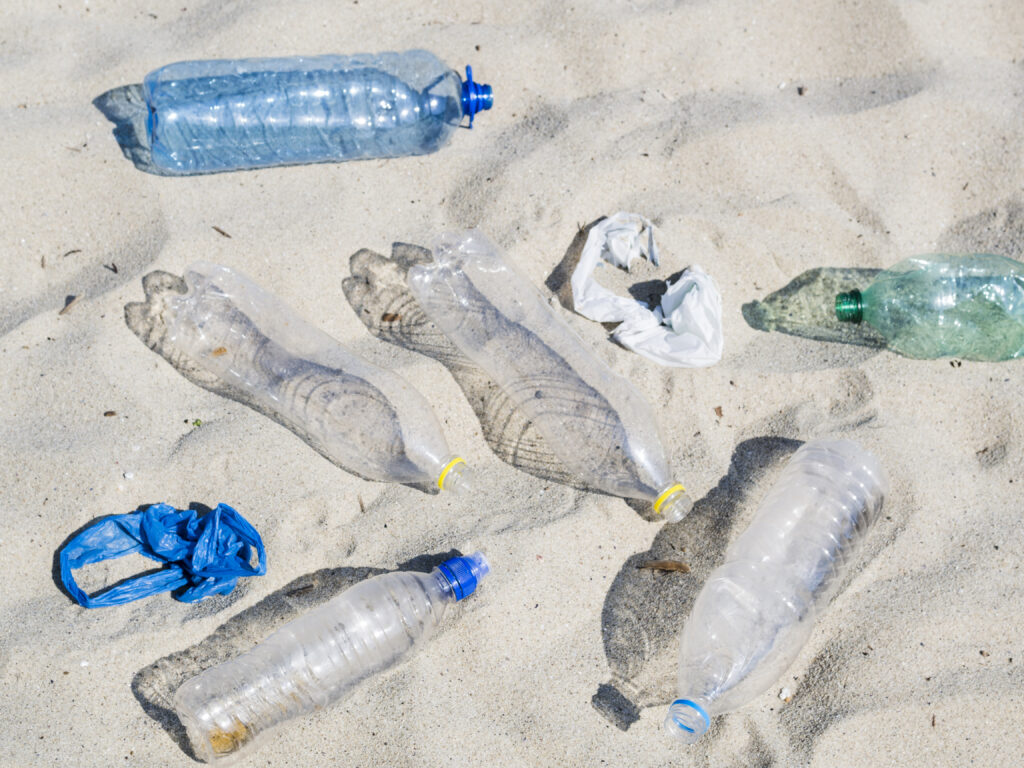
Table of Contents
- Introduction
- Why It’s Trending Now
- Scientific Data in U.S. Studies
3a. Table 1: Microplastic levels in drinking water
3b. Table 2: Contamination in foods / seafood
- Government Reports & Monitoring
4a. Table 3: EPA/state testing summaries
- Health & Ecosystem Impacts
- U.S. Legislation & Single‑Use Plastic Bans
- Summary & Conclusion
- Frequently Asked Questions (15)
- References
- Invitation to Prakriti Darshan
- Call for Scholars to Submit Research
1. Introduction
Microplastics have emerged as a pervasive contaminant in American water systems—resilient, invisible, yet consequential. With mounting science and media attention, they’ve become a hot topic in 2025 public health and environmental discourse.
2. Why It’s Trending
- New high-profile research finds billions of micro- and nanoplastics per liter in bottled water and widespread tap-water infiltration .
- Reports reveal microplastics in human organs (blood, brain, placenta) and links to serious disease risks .
- Environmental advocates press the EPA to begin mandatory microplastic monitoring under the Safe Drinking Water Act by 2026 .
3. Scientific Data in U.S. Studies
Table 1: Microplastic Levels in U.S. Drinking Water Studies
| Study / Institution | Water Type | Average Microplastic Load (particles/L) | Notes |
| Phoebe Stapleton et al. | Bottled Water | ~240,000 per L (mostly nanoplastics) | Based on recent U.S. sampling |
| UT Arlington review (literature) | Tap Water | Varied—some particles still slip through | Even treatment plants incomplete removal |
| National average intake estimates | Mixed (water/food/air) | 78,000–211,000 particles/year/person | Includes U.S. dietary and inhalation data |
Table 2: Microplastics in Foods / Seafood (U.S. Related)
| Food / Source | Detection Rate | Estimated Annual Intake (particles) | Remark |
| Seafood (Oregon study) | 98.9% of samples | High variability | U.S. coastal analysis |
| Ultra‑processed foods | – | e.g. chicken nuggets ~30× more vs fresh | U.S. processed food data . |
4. Government Reports & Monitoring
Table 3: U.S. EPA / State Monitoring Activities
| Agency / Program | Status (2025) | Notes |
| EPA microplastics monitoring under Safe Drinking Water Act | Proposed from 2026; petition by groups filed . | Monitoring not yet active, only pilot in California |
| Californian State Water Board | Defines and studies microplastics as drinking water contaminants since June 2020 | Long‑term data may emerge soon |
5. Health & Ecosystem Impacts
- Microplastics detected in blood, placenta, liver, lungs, kidneys, testicles, brain—linked to inflammation, gut microbiome disruption, hormonal imbalance, and cancer risk .
- Coastal communities exposed to high levels of microplastics in the ocean are seeing increased cases of type 2 diabetes, heart disease, and stroke.
- Ecosystems suffer: aquatic organisms ingest plastics, biomagnifying through the food chain, disrupting reproduction and health.
6. U.S. Legislation & Single‑Use Plastic Bans
- Microbead-Free Waters Act of 2015 banned microbeads in cosmetics (manufacture by July 2017, sales by July 2018) .
- Polystyrene foam bans in 12 states and 2 territories by May 2025, curbing Styrofoam use in food containers .
- Single-use plastic bag bans or fees active in 19 states (as of March 2025) with more states introducing new laws in 2025 .
- Federal push: bipartisan microplastic health study bill introduced—directs HHS Secretary to analyze exposure causes and health outcomes .
- California’s policy proposals aim to designate microplastics as toxic and ban them in cosmetics, fertilizers, cleaning supplies
7. Summary
Widespread presence of microplastics in U.S. water and food is now established by peer-reviewed science. As more evidence links microplastics to serious health risks, the pressure is building on regulators to take action. Legislative momentum at both state and federal levels is driving bans on single-use plastics and launching investigations into microplastic exposure.
8. Conclusion
Microplastics represent an emerging environmental-health crisis in the United States. Persistent contamination of drinking water and food, paired with increasingly serious evidence of health consequences, elevates the urgency. Although steps are underway to curb pollution and study its impacts, comprehensive monitoring and regulation remain limited. Interdisciplinary research and global collaboration are essential to confront this invisible threat.
9. Frequently Asked Questions :Microplastics in American Water
- What are microplastics?
Plastic fragments smaller than 5 mm, often broken down from larger items. - How do microplastics enter drinking water?
Through treatment failure, leaching from containers, environmental runoff. - Is bottled water safer than tap water?
No—bottled water often contains far higher levels of microplastics (up to ~240,000 particles/L) than tap water . - Can boiling or filtering reduce microplastics?
Yes—simple boiling and filtering can remove up to ~90% of particles . - Is there proof microplastics cause disease in humans?
Direct causal proof is limited—most evidence is from cell and animal studies, but strong associations exist for inflammation, hormone disruption, cancer risk. - How much microplastics do Americans ingest yearly?
Estimated range from Approx 78,000 to 211,000 particles per person per year in combined exposures . - Which foods are most contaminated?
Highly processed foods (e.g. chicken nuggets, breaded seafood), salt, seafood, nylon tea bags are tested highest . - Have any U.S. laws banned microplastics?
Yes—microbeads are banned federally. Several states are advancing new bans on microplastics in products.
9. Frequently Asked Questions : Microplastics in American Water
- Is EPA monitoring drinking water contamination yet?
Not broadly—EPA monitoring may begin under Safe Drinking Water Act in 2026 pending rulemaking and legal action . - Which states currently regulate microplastics or single-use plastics?
California, New York, Illinois, others enforce microbead bans; 12 states banning Styrofoam; 19 states with plastic-bag restrictions. - Are PFAS related to microplastics?
PFAS are separate “forever chemicals” often present in plastic products. Legislation targets PFAS and plastics packaging reduction . - Can microplastics cross the blood-brain barrier?
Yes—nanoplastics have been detected in brain tissue and may cause inflammation and neurological issues . - How can individuals reduce exposure?
Avoid bottled water, don’t heat food in plastic, use glass or metal containers, boil/filter tap water, prefer loose‑leaf tea . - Will global treaties help?
A legally binding instrument is under negotiation at INC‑5.2 to tackle plastic production and pollution lifecycle globally . - Why publish with Prakriti Darshan?
As an international multidisciplinary journal, it offers a platform to shape global environmental research discourse and reach scholars, policymakers, and advocates worldwide.
10. Invitation to Prakriti Darshan
We warmly invite scholars, environmental scientists, public health experts, and policy researchers to submit their original research, reviews, or case studies on microplastics and related environmental health themes to Prakriti Darshan – Nature and Environment Magazine / International Journal of Environment Science and Multidisciplinary Studies.
11. Call for Scholars
Are you working on microplastics exposure, ecosystem impacts, regulatory policy, or plastic alternatives and health? Share your findings to help spark action and inform global audiences. Submit to Prakriti Darshan, join our global community of environmental thinkers and make your work part of vital knowledge-building.
Certainly! Here are the References in formal citation style to be included at the end of the article:
📚 References :Microplastics in American Water
- Stapleton, P. (2025). Study reveals U.S. bottled water contains 240,000 plastic particles per liter.
- University of Texas at Arlington. (2025). Harmful microplastics infiltrating drinking water.
- The Guardian.
- The Washington Post.
- NY Post.
- Stanford Insights.
- World Economic Forum. (2025). WEF.
- Heart.org Newsroom.
- U.S. Food and Drug Administration
📚 References :Microplastics in American Water
- Wikipedia.
- Britannica.
- SaferStates.org.
- SC Daily Gazette.
- Bynum.House.gov.
- StateCapitalLobbyist.com.
- BeyondPlastics.org.
- The Sun.
- People.com
PRAKRITI DARSHAN-NATURE AND ENVIRONMENT MAGAZINE
Prakriti Darshan is a leading Hindi-language magazine and digital platform dedicated to raising public awareness on vital issues related to nature, biodiversity, climate change, sustainable development, and environmental conservation. This magazine represents a unique blend of science, society, and sensitivity—offering a common platform for researchers, students, NGOs, policymakers, nature lovers, and conscious citizens alike.
With thought-provoking articles, inspiring stories, environmental research, impactful projects, and policy perspectives, Prakriti Darshan is a transformative journey toward a greener and more sustainable future.
Let us come together to protect and preserve our planet for generations to come. 🌿🌍
Join us in our mission to protect and celebrate the planet. 🌏💚
Click for more information
- Visit www.prakritidarshan.com for Free Magazine ,Free membership benefits ,offered price magazine @ Rs.1 or Rs.11 only and more ……
- 🎗️Sponsor Prakriti Darshan Magazine – Support our environment mission.
- 📚 Explore the Environment Magazine – Read our latest and past issues.
- ✍️ Read Editor’s Article or Blog – Insightful thoughts from our editorial desk.
- 🌱 Join Membership – Be part of India’s leading green community.
- 🤝 Become an NGO Impact Story Partner – Share your grassroots impact nationwide.
- 🏢 Become a Company Partner – Showcase your CSR, ESG, or sustainability work.
- 👤 Become an Individual Partner – Volunteer, write, and raise your green voice.
- 📢 Advertise with Us – Reach eco-conscious readers across India.
- Eco Trails Newsletter
- Donate for “Hari Ho Vashundhara & Har school Hariyali “ Plantation campaign Associated Partner NGO :GDSS NGOwww.gdssngo.org
BALA DATT SHARMA,
MANAGING EDITOR ,
PRAKRITI DARSHAN-NATURE AND ENVIRONMENT MAGAZINE