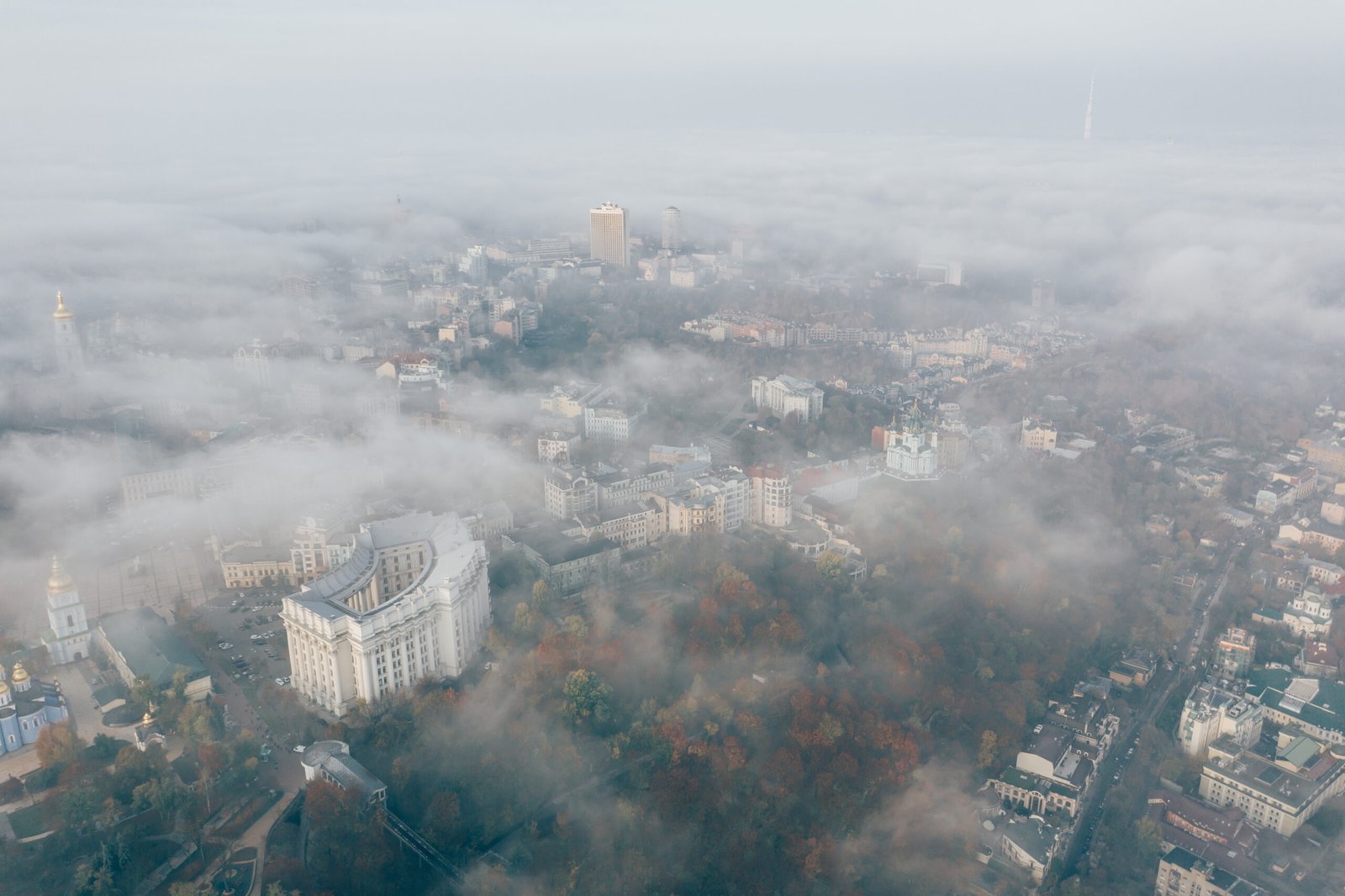
The frequency and intensity of “wildfire Smoke in USA” , especially across states like California, Oregon, and adjacent regions of Canada, are no longer just seasonal anomalies—they are chronic environmental health crises. As smoke travels across thousands of miles, it brings with it dangerous particulate matter (PM2.5), toxins, and gasses that severely impact human health. This article explores the health consequences of wildfire smoke, the science of air quality, preventive measures, and how climate change is accelerating this threat. With real-time data and expert analysis, this article urges public action and academic collaboration in environmental discourse.
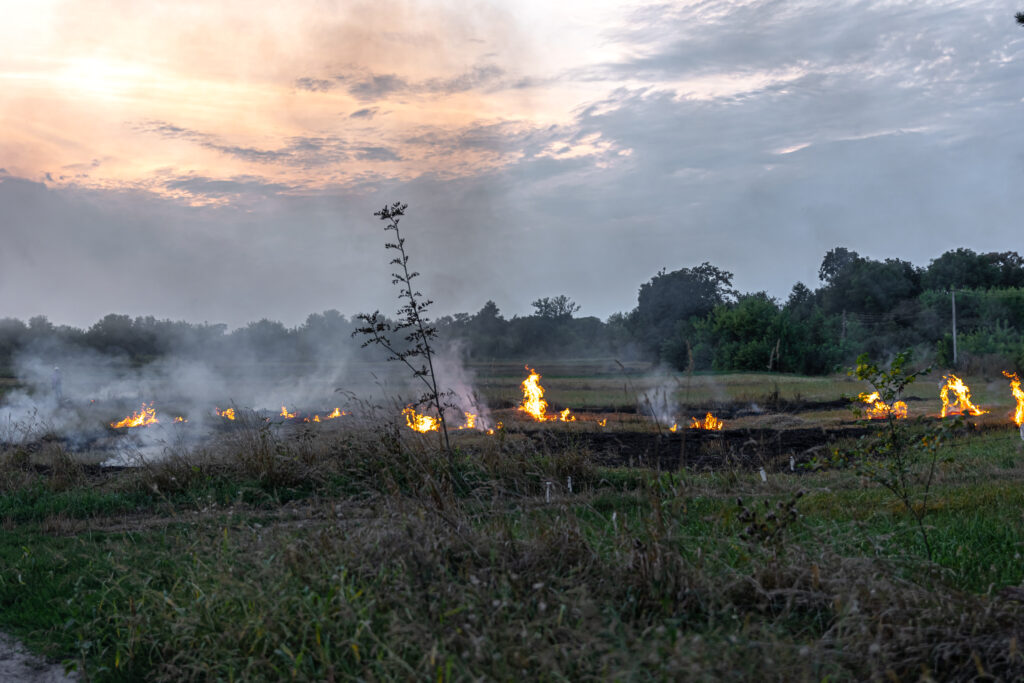
Table of Contents
- Introduction
- Understanding Wildfire Smoke and Its Components
- Health Effects of Wildfire Smoke
- Scientific Data Tables
- What Is the Air Quality Index (AQI)?
- The Role of Climate Change in Wildfire Surge
- Preventive Measures and Public Safety Tips
- Summary
- Conclusion
- Frequently Asked Questions (FAQs)
- References
- Join Prakriti Darshan & Publish with Us
Introduction : Wildfire Smoke in USA
Wildfire smoke in USA are no longer confined to remote forests. Their smoke is now a nationwide concern, stretching from the Pacific Northwest to the East Coast. Major wildfire events in California and Oregon, alongside intense burns in British Columbia, Canada, have led to persistent hazardous air quality conditions. The smoke contains fine particles that penetrate deep into lungs and bloodstream, aggravating respiratory and cardiovascular diseases, especially in vulnerable populations.
Understanding Wildfire Smoke and Its Components
Wildfire smoke is a complex mixture that includes:
- Fine Particulate Matter (PM2.5)
- Carbon monoxide (CO)
- Volatile Organic Compounds (VOCs)
- Nitrogen oxides (NOx)
- Black carbon
These pollutants are known to cause respiratory distress, eye irritation, and long-term cardiovascular issues.
Health Effects of Wildfire Smoke in USA
Short-term Effects:
- Irritation of eyes, nose, and throat
- Coughing and wheezing
- Headaches and dizziness
- Asthma attacks
Long-term Effects:
- Chronic obstructive pulmonary disease (COPD)
- Increased risk of lung cancer
- Heart disease
- Premature birth in pregnant women
- Impaired cognitive function
Scientific Data Tables
Increase in PM2.5 Levels in U.S. Cities During Wildfire Season (2022–2024)- Table 1
| City | Normal PM2.5 (µg/m³) | During Wildfire (µg/m³) | % Increase |
| Sacramento, CA | 12 | 95 | 691% |
| Portland, OR | 10 | 80 | 700% |
| Denver, CO | 15 | 70 | 367% |
| Chicago, IL | 10 | 55 | 450% |
Health Emergency Room Visits Related to Smoke Exposure -Table 2:
| Year | Estimated ER Visits | Primary Conditions |
| 2021 | 11,200 | Asthma, Bronchitis, COPD |
| 2022 | 13,800 | Cardiovascular complications |
| 2023 | 15,400 | Respiratory distress, Stroke risk |
AQI Categories and Health Implications- Table 3:
| AQI Range | Air Quality Level | Health Implication |
| 0–50 | Good | Minimal impact |
| 51–100 | Moderate | Acceptable for general public |
| 101–150 | Unhealthy for Sensitive Groups | Elderly, children, and asthma patients affected |
| 151–200 | Unhealthy | Everyone may experience health effects |
| 201–300 | Very Unhealthy | Health alert: serious health effects |
| 301–500 | Hazardous | Emergency conditions |
Wildfire Smoke Impact in 2025 (Jan–July) – Key U.S. Cities- Table 4:
| City | Max PM2.5 Level (µg/m³) | Days with AQI >150 | Reported ER Cases | Notable Wildfire Source |
| Sacramento, CA | 112 | 29 | 2,340 | Lake Fire (Northern CA) |
| Portland, OR | 105 | 23 | 1,870 | Tillamook Complex Fires |
| Seattle, WA | 98 | 19 | 1,430 | Canadian Border Fires (BC) |
| Denver, CO | 88 | 17 | 1,210 | Fourmile Canyon Fire (CO) |
| Chicago, IL | 80 | 11 | 970 | Smoke drift from Canadian Wildfires |
| New York, NY | 72 | 9 | 820 | Eastern Canada Smoke Influx |
🟠 Source: U.S. Environmental Protection Agency (EPA), CDC, NOAA Firewatch Reports, July 2025
Notes:
- PM2.5 levels represent the maximum daily average recorded during severe wildfire smoke periods.
- AQI >150 is considered “Unhealthy” according to the EPA.
- Reported ER Cases include asthma, cardiac arrest, stroke, and bronchial inflammation.
- Wildfire Sources indicate either local or transboundary fires affecting air quality.
What Is the Air Quality Index (AQI)?
The Air Quality Index (AQI) is a tool used to communicate how polluted the air is and what health effects might be of concern. The AQI is based on five major pollutants: ground-level ozone, PM2.5, PM10, carbon monoxide, and sulfur dioxide.
During wildfires, AQI levels can skyrocket into the hazardous range (above 300), leading to emergency health alerts in affected communities.
The Role of Climate Change in Wildfire Surge
Climate change is fueling longer, drier, and hotter wildfire seasons:
- Warmer temperatures dry out vegetation, increasing flammability.
- Changing precipitation patterns create prolonged droughts.
- Earlier snowmelt leads to more combustible material in forests.
Scientific consensus confirms that anthropogenic climate change has doubled the area burned by wildfires in the western United States since 1984.
Preventive Measures and Public Safety Tips
- Monitor local AQI levels via apps or EPA websites.
- Stay indoors with air purifiers during high-smoke days.
- Use N95 masks when outdoor exposure is unavoidable.
- Seal windows and doors to prevent smoke entry.
- Avoid strenuous outdoor activities.
- Keep medications for asthma or heart conditions ready.
- Use HEPA filters and avoid vacuuming which stirs up dust.
- Drink plenty of fluids to keep airways moist.
Summary :Wildfire Smoke in USA
Wildfire smoke has become an invisible, traveling pollutant affecting millions of Americans annually. Its impact on public health is undeniable, with growing evidence of both acute and chronic consequences. Young children, senior citizens, and individuals with existing health issues are especially vulnerable to the harmful effects of wildfire smoke. As climate change worsens wildfire conditions, the need for public awareness, policy action, and individual preparedness becomes more urgent.
Conclusion
Wildfire smoke is not just a distant threat—it is already at our doorstep, entering our lungs and our lives. From the West Coast to the Midwest, the health effects of poor air quality caused by wildfire smoke are real, measurable, and growing. This crisis demands more than emergency responses; it requires preventive policies, robust public health systems, and an urgent fight against climate change.
Frequently Asked Questions (FAQs) :Wildfire Smoke in USA
1. What is PM2.5 in wildfire smoke?
PM2.5 refers to fine particles that are 2.5 micrometre’s or smaller. These small ad fine particles can penetrate deep into the lungs and may also pass into the bloodstream and cause health complications .
2. How does wildfire smoke affect children?
Children have developing lungs and breathe more air per pound of body weight, making them more vulnerable to smoke-related issues like asthma and bronchitis.
3. Can wildfire smoke affect mental health?
Yes. Long-term exposure and isolation during smoke events can lead to anxiety, depression, and stress.
4. How long can wildfire smoke linger?
Wildfire smoke can hang in the air for days or drift thousands of miles across the U.S., all depending on wind patterns and weather conditions.
5. What is the safest mask during wildfire smoke exposure?
N95 masks offer the best protection when it comes to filtering out harmful PM2.5 particles from wildfire smoke.
6. Is indoor air safe during wildfires?
Only if homes are sealed and equipped with air purifiers or HVAC systems with HEPA filters.
7. Can cooking indoors increase pollution during wildfires?
Yes, especially if ventilation is poor. It’s best to avoid frying or grilling.
8. Are pets affected by wildfire smoke?
Absolutely. Pets experience similar respiratory symptoms and should also be kept indoors.
Frequently Asked Questions (FAQs) :Wildfire Smoke in USA
9. How do I know if the AQI is dangerous?
Check websites like airnow.gov or use AQI apps. Any level above 150 is considered unhealthy.
10. Do face cloth masks work against wildfire smoke?
No, cloth masks do not filter fine particulate matter.
11. Can occasional exposure to wildfire smoke leads to short or long-term health problems or challenges ?
Even short-term exposure to heavy smoke can contribute to chronic lung damage or heart problems or such challenges over time.
12. What groups are most at risk?
Children, elderly, pregnant women, and people with asthma, COPD, or heart disease.
13. Can I exercise during wildfire smoke events?
Avoid outdoor physical activity when AQI is above 100.
14. Can wildfire smoke affect indoor plants?
Yes, but mostly through particulate deposition which can hinder photosynthesis.
15. What government agency monitors air quality?
The U.S. Environmental Protection Agency (EPA) manages the AQI and provides public updates.
References
- U.S. Environmental Protection Agency (EPA). www.epa.gov/air-quality
- Centers for Disease Control and Prevention (CDC) – Wildfire Smoke Information
- NOAA Climate Report (2024)
- American Lung Association – Health Effects of Wildfire Smoke
- Global Fire Emissions Database (GFED)
Join Us at Prakriti Darshan – Nature and Environment Magazine
If you found this article insightful, we invite you to become a regular reader and contributor to Prakriti Darshan—India’s leading bilingual magazine on environment and biodiversity. Stay updated with the latest research, real-time disaster coverage, and grassroots conservation efforts.
🌿 Visit us at www.prakritidarshan.com
Appeal to Authors and Scholars
Are you an environmentalist, researcher, or scholar passionate about climate change, wildlife, or sustainable development? Publish your research and perspectives in the Prakriti Darshan International Journal of Environmental Science and Multidisciplinary Studies (PDIJEMDS).
Submit your papers and join our mission to inform, inspire, and act for nature.
PRAKRITI DARSHAN-NATURE AND ENVIRONMENT MAGAZINE
Prakriti Darshan is a leading Hindi-language magazine and digital platform dedicated to raising public awareness on vital issues related to nature, biodiversity, climate change, sustainable development, and environmental conservation. This magazine represents a unique blend of science, society, and sensitivity—offering a common platform for researchers, students, NGOs, policymakers, nature lovers, and conscious citizens alike.
With thought-provoking articles, inspiring stories, environmental research, impactful projects, and policy perspectives, Prakriti Darshan is a transformative journey toward a greener and more sustainable future.
Let us come together to protect and preserve our planet for generations to come. 🌿🌍
Join us in our mission to protect and celebrate the planet. 🌏💚
Click for more information
- Visit www.prakritidarshan.com for Free Magazine ,Free membership benefits ,offered price magazine @ Rs.1 or Rs.11 only and more ……
- 🎗️Sponsor Prakriti Darshan Magazine – Support our environment mission.
- 📚 Explore the Environment Magazine – Read our latest and past issues.
- ✍️ Read Editor’s Article or Blog – Insightful thoughts from our editorial desk.
- 🌱 Join Membership – Be part of India’s leading green community.
- 🤝 Become an NGO Impact Story Partner – Share your grassroots impact nationwide.
- 🏢 Become a Company Partner – Showcase your CSR, ESG, or sustainability work.
- 👤 Become an Individual Partner – Volunteer, write, and raise your green voice.
- 📢 Advertise with Us – Reach eco-conscious readers across India.
- Eco Trails Newsletter
- Donate for “Hari Ho Vashundhara & Har school Hariyali “ Plantation campaign Associated Partner NGO :GDSS NGOwww.gdssngo.org
BALA DATT SHARMA,
MANAGING EDITOR ,
PRAKRITI DARSHAN-NATURE AND ENVIRONMENT MAGAZINE