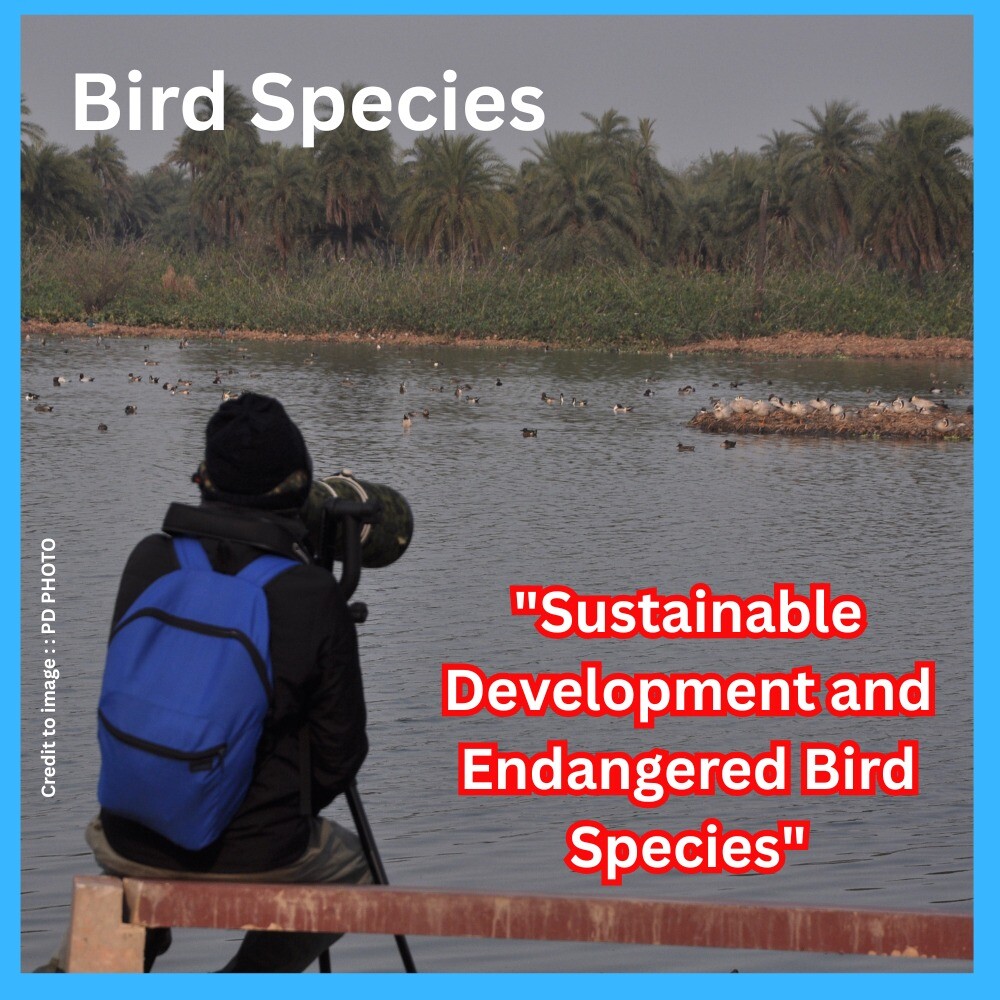
Birds play a pivotal role in maintaining the ecological balance, acting as pollinators, pest controllers, seed dispersers, and ecosystem indicators. However, human-induced threats such as deforestation, urbanization, pollution, and climate change have pushed many bird species to the brink of extinction. This article explores the intersection of sustainable development and the conservation of endangered bird species, emphasizing their importance in achieving the United Nations Sustainable Development Goals (SDGs). Through scientific insights, conservation strategies, data tables, and public awareness, this article aims to promote sustainable coexistence with avian life and calls upon researchers and policymakers to act decisively.
Table of Contents : Sustainable Development and Endangered Bird Species:
- Introduction
- Role of Birds in Biodiversity
- Causes of Bird Endangerment
- Global and Indian Endangered Bird Species
- Bird Conservation and Sustainable Development Goals (SDGs)
- Scientific and Conservation Data Tables
- Conservation Strategies
- Summary
- Conclusion
- FAQs (15+)
- References
- Appeal to Researchers and Readers
1. Introduction: Sustainable Development and Endangered Bird Species:
Birds are among the most widely distributed and visible forms of wildlife, often regarded as barometers of a healthy environment. However, over 1,400 bird species are currently classified as threatened or endangered globally, according to the IUCN Red List. From the Great Indian Bustard to the California Condor, these species face rapid declines due to habitat loss, poaching, and climate variability. This article delves into how sustainable development practices and conservation frameworks are essential for safeguarding these winged ambassadors of nature.
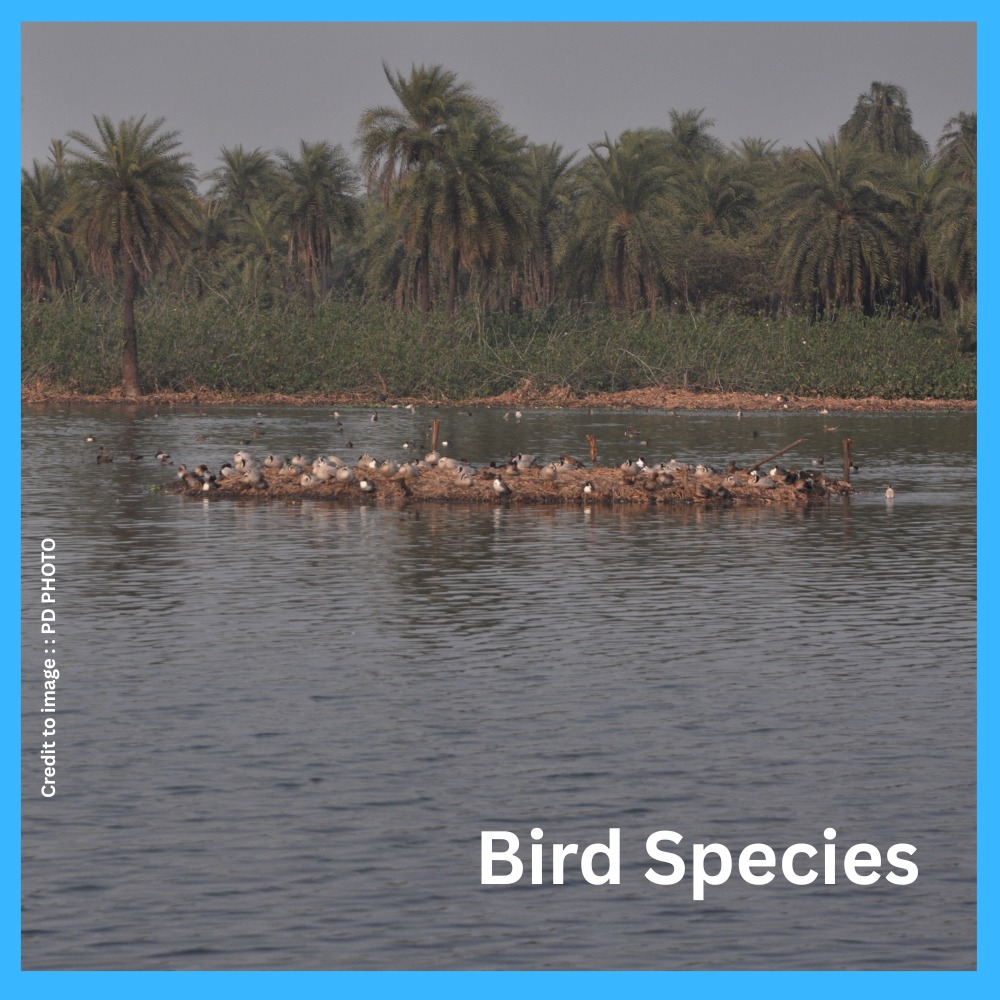

2. Role of Birds in Biodiversity
Birds contribute immensely to ecosystems:
- Pollination: Hummingbirds, sunbirds, and honeyeaters pollinate various flowering plants.
- Seed Dispersal: Frugivorous birds (e.g., hornbills, toucans) aid in forest regeneration.
- Pest Control: Owls and insectivorous birds help manage rodent and insect populations.
- Scavenging: Vultures prevent disease spread by cleaning carcasses.
- Bioindicators: Birds respond quickly to environmental change, indicating ecosystem health.
3. Causes of Bird Endangerment
| Threat | Impact |
| Habitat Loss | Deforestation, agriculture, infrastructure |
| Illegal Wildlife Trade | Cage birds and hunting |
| Pesticides and Pollution | Egg thinning, population decline |
| Climate Change | Altered migration and breeding cycles |
| Invasive Species | Predation and competition for resources |
4. Endangered Bird Species (Global and Indian Focus)
🌍 Global Endangered Birds
| Bird Name | Region | IUCN Status |
| California Condor | USA | Critically Endangered |
| Kakapo | New Zealand | Critically Endangered |
| Philippine Eagle | Philippines | Critically Endangered |
| Northern Bald Ibis | Middle East, Europe | Endangered |
India’s Endangered Birds
| Bird Name | Region | IUCN Status |
| Great Indian Bustard | Rajasthan, Gujarat | Critically Endangered |
| Forest Owlet | Central India | Critically Endangered |
| Indian Vulture | All India | Critically Endangered |
| Bengal Florican | Assam, Uttar Pradesh | Endangered |
| Jerdon’s Courser | Andhra Pradesh | Critically Endangered |
5. Bird Conservation and Sustainable Development Goals (SDGs)
Conservation of endangered birds aligns directly with the following SDGs:
| SDG | Description | Bird Conservation Connection |
| SDG 15 | Life on Land | Protect terrestrial ecosystems and biodiversity |
| SDG 13 | Climate Action | Address climate impacts on migratory and endemic birds |
| SDG 11 | Sustainable Cities and Communities | Promote green urban planning that supports bird habitats |
| SDG 12 | Responsible Consumption & Production | Combat wildlife trade and unsustainable agriculture |
| SDG 4 | Quality Education | Raise awareness on avian ecology through education |
6. Scientific and Conservation Data Tables
Bird Species Decline – IUCN Data (2024)
| Category | Number of Bird Species |
| Critically Endangered | 226 |
| Endangered | 461 |
| Vulnerable | 798 |
| Near Threatened | 1000+ |
Population Trend of Key Indian Species
| Species | Estimated Population | Trend |
| Great Indian Bustard | <150 | Declining |
| Indian Vulture | <10,000 | Declining |
| Forest Owlet | <250 | Stable |
7. Conservation Strategies
In-Situ Conservation
- Protected Areas: Wildlife sanctuaries, bird reserves, and national parks.
- Community Forests: Tribal and local stewardship to protect habitats.
Ex-Situ Conservation
- Captive Breeding Programs: Especially for vultures and condors.
- Rehabilitation Centers: For injured or rescued birds.
Policy and Legal Frameworks
- Wildlife Protection Act (1972) – India
- CITES Treaty – Regulates global bird trade
- Important Bird and Biodiversity Areas (IBAs) – Recognized by BirdLife International
Technology in Conservation
- Satellite tagging and GPS tracking for migration studies.
- Acoustic monitoring and AI for species identification and population estimation.
8. Summary
Birds are essential to both ecological balance and cultural heritage. The decline of endangered bird species is a red flag for environmental degradation. Their protection not only conserves biodiversity but also furthers key sustainable development targets. Governments, communities, scientists, and global citizens must collaborate to reverse bird extinctions and restore avian habitats.
9. Conclusion
Sustainable development without preserving bird species is incomplete. Endangered birds are silent messengers of a planet in distress. Their flight paths, nesting grounds, and songs are vanishing due to our unsustainable actions. However, with informed policy, science-based conservation, and active public involvement, we can change the narrative.
“Protecting birds is not just about saving them—it’s about saving ourselves.”
10. FAQs (15+) :Sustainable Development and Endangered Bird
- What makes a bird species endangered?
Factors like habitat loss, poaching, pollution, and climate change. - Which is the most endangered bird in India?
The Great Indian Bustard, with fewer than 150 individuals remaining. - How does climate change affect birds?
Alters migration, breeding, and food availability. - What role do birds play in ecosystems?
Pollination, seed dispersal, pest control, and ecosystem monitoring. - Can urban areas support bird diversity?
Yes, through urban forests, green roofs, and bird-friendly architecture. - What is the Wildlife Protection Act of 1972?
A law that protects endangered species in India, including birds. - What are IBAs?
Important Bird and Biodiversity Areas—sites critical for bird conservation. - Is keeping exotic birds as pets legal?
Depends on the country and species—often illegal and discouraged. - What is CITES?
A global treaty that regulates trade in endangered species, including birds. - How can students help protect birds?
Join citizen science projects, birdwatching clubs, and raise awareness.
10. FAQs (15+) :Sustainable Development and Endangered Bird
- What are captive breeding programs?
Conservation technique to breed endangered birds in controlled environments. - Are vultures still endangered?
Yes, especially Indian species like the White-rumped and Long-billed Vultures. - Why are birds used as bioindicators?
They quickly respond to environmental changes, showing ecosystem health. - What is the role of community conservation?
Local participation ensures better habitat protection and bird survival. - How do pesticides harm birds?
Cause egg shell thinning, reproductive failure, and poisoning.
11. References
- IUCN Red List of Threatened Species (2024)
- BirdLife International Reports
- Indian Ministry of Environment, Forest and Climate Change (MoEFCC)
- Convention on International Trade in Endangered Species (CITES)
- Bombay Natural History Society (BNHS)
- United Nations Sustainable Development Goals (UN SDGs)
12. Appeal to Researchers and General Readers
We invite research scholars, ornithologists, ecologists, and conservation activists to contribute their findings and insights on bird conservation to Prakriti Darshan – Nature and Environment Journal.
Let your work support global biodiversity and inspire action.
Publish with us to make your voice for nature, Biodiversity and wild life .
Visit: www.prakritidarshan.com
Email: prakritidarshan@gmail.com
PRAKRITI DARSHAN-NATURE AND ENVIRONMENT MAGAZINE
Prakriti Darshan is a leading Hindi-language magazine and digital platform dedicated to raising public awareness on vital issues related to nature, biodiversity, climate change, sustainable development, and environmental conservation. This magazine represents a unique blend of science, society, and sensitivity—offering a common platform for researchers, students, NGOs, policymakers, nature lovers, and conscious citizens alike.
With thought-provoking articles, inspiring stories, environmental research, impactful projects, and policy perspectives, Prakriti Darshan is a transformative journey toward a greener and more sustainable future.
Let us come together to protect and preserve our planet for generations to come. 🌿🌍
Join us in our mission to protect and celebrate the planet. 🌏💚
Click for more information
- Visit www.prakritidarshan.com for Free Magazine ,Free membership benefits ,offered price magazine @ Rs.1 or Rs.11 only and more ……
- 🎗️Sponsor Prakriti Darshan Magazine – Support our environment mission.
- 📚 Explore the Environment Magazine – Read our latest and past issues.
- ✍️ Read Editor’s Article or Blog – Insightful thoughts from our editorial desk.
- 🌱 Join Membership – Be part of India’s leading green community.
- 🤝 Become an NGO Impact Story Partner – Share your grassroots impact nationwide.
- 🏢 Become a Company Partner – Showcase your CSR, ESG, or sustainability work.
- 👤 Become an Individual Partner – Volunteer, write, and raise your green voice.
- 📢 Advertise with Us – Reach eco-conscious readers across India.
- Eco Trails Newsletter
- Donate for “Hari Ho Vashundhara & Har school Hariyali “ Plantation campaign Associated Partner NGO :GDSS NGO www.gdssngo.org
BALA DATT SHARMA,
MANAGING EDITOR ,
PRAKRITI DARSHAN-NATURE AND ENVIRONMENT MAGAZINE