
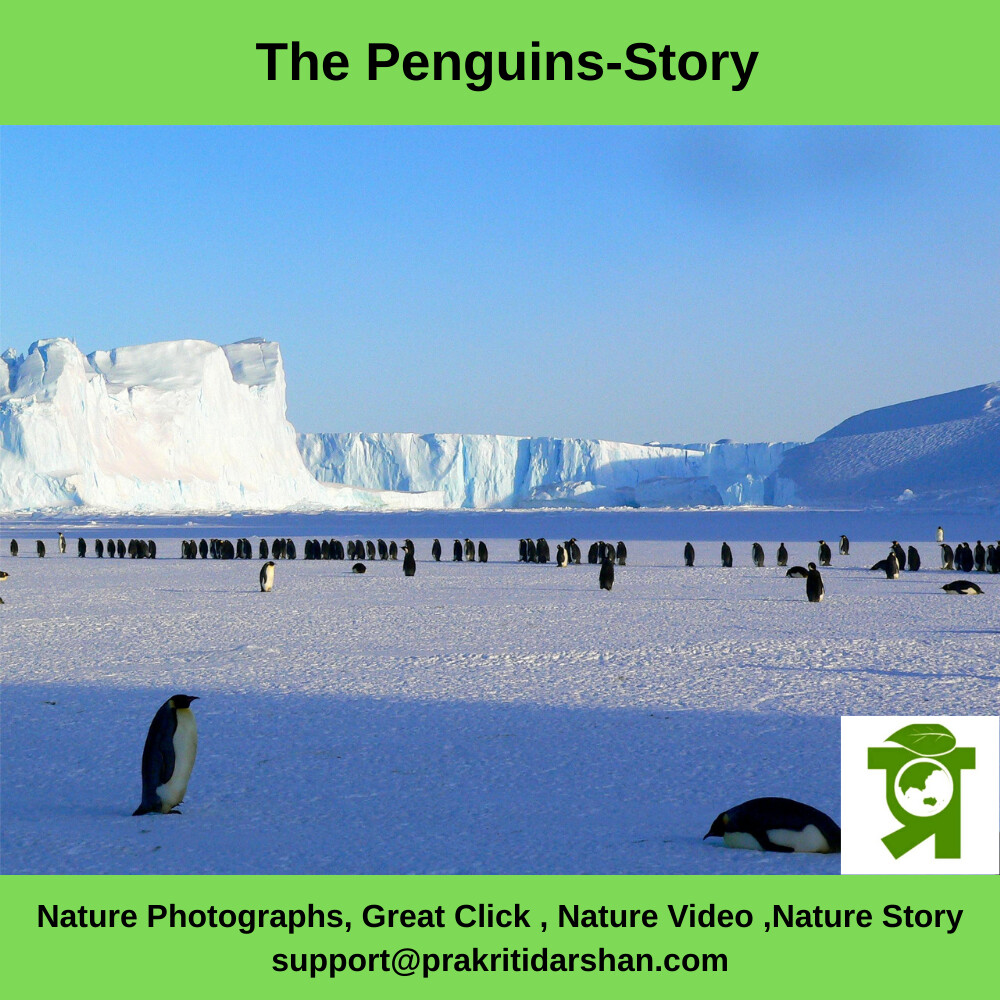
The Man Who Saved the Penguins: A Story of Hope and Compassion :In the year 2000, tragedy struck the shores of Cape Town, South Africa. A massive oil spill threatened the survival of one of the world’s most beloved species—the African penguin (Spheniscus demersus). Tens of thousands of penguins were coated in thick, toxic oil, unable to swim, feed, or even regulate their body temperature. For many, it seemed like the end.
But in the middle of despair, a story of human kindness and resilience emerged—one that continues to inspire conservationists across the globe.
The Crisis: Penguins in Peril
The oil spill was catastrophic. Over 20,000 penguins were immediately affected, with their feathers matted and their natural waterproofing destroyed. Without urgent help, these birds faced starvation, hypothermia, and certain death.
Volunteers from around the world rushed to Cape Town, forming one of the largest animal rescue operations in history. Among them was a man whose dedication would change the fate of these penguins forever.

One Man’s Tireless Effort
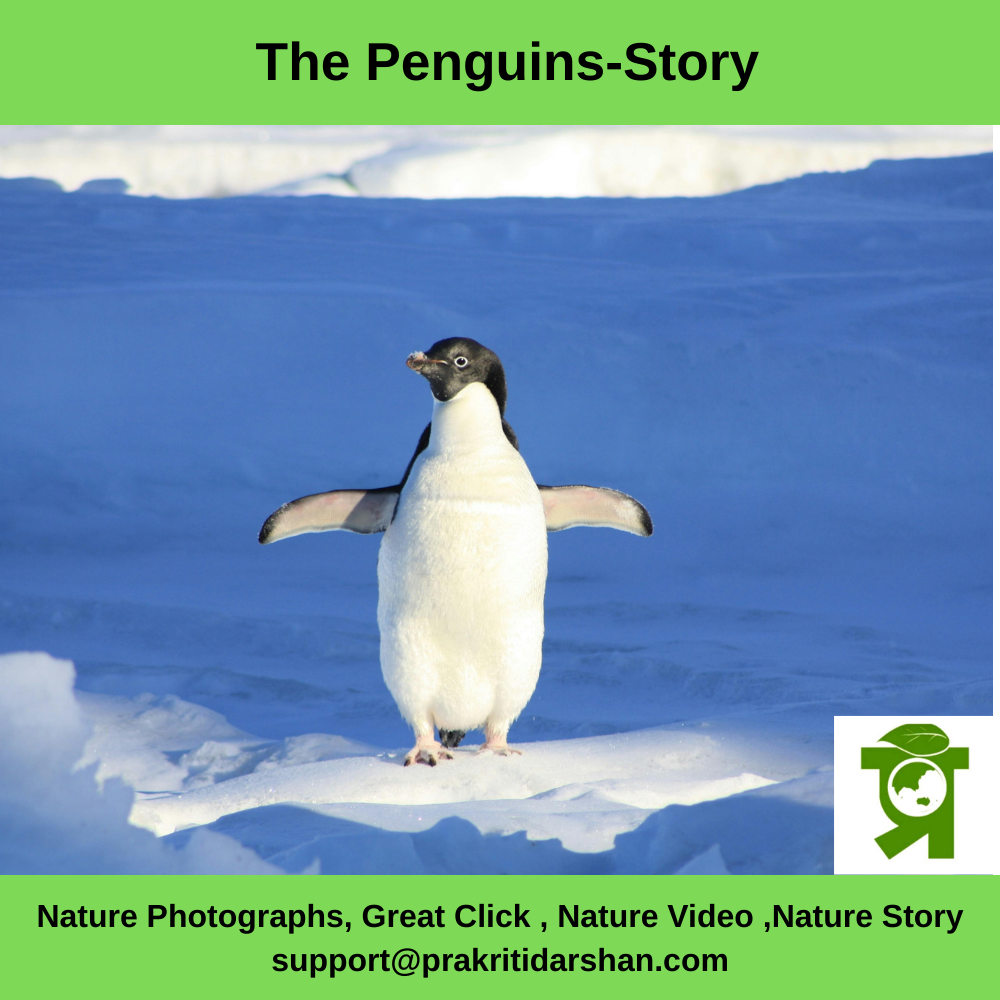
While thousands helped, one man stood out for his extraordinary dedication. He cared for hundreds of penguins personally—cleaning oil from their feathers, feeding them fish, and staying awake through nights to monitor their recovery. His hands grew blistered, his body exhausted, but he never gave up.
Day after day, he worked silently, guided only by compassion and hope. And slowly, the miracle began.
Against the Odds: A Triumph for Nature
After months of effort, something remarkable happened. Over 90% of the rescued penguins were released back into the wild. Scientists later confirmed that this intervention stabilized the local penguin population, preventing what could have been a devastating collapse.
This was not just about saving birds. It was about saving balance in nature—because every penguin plays a role in the delicate ecosystem of the ocean.
Lessons from the Penguins
This story carries a profound message:
- Human actions can harm nature—but they can also heal it.
- Every individual has the power to make a difference.
- When compassion guides intervention, even ecological disasters can be reversed.
The man who saved the penguins proved that even in times of crisis, hope survives through action.
Scientific Insights: African Penguins and Conservation
| Aspect | Data / Fact | Source |
| Species | African Penguin (Spheniscus demersus) | IUCN Red List |
| Conservation Status | Endangered | IUCN (2024) |
| Population Decline | Over 60% in the last 30 years | BirdLife International |
| Role in Ecosystem | Maintain fish balance (sardines, anchovies) | WWF |
| Oil Spill Impact | 2000 Cape Town spill affected ~20,000 penguins | SANCCOB |
| Rescue Outcome | Over 90% rehabilitated and released | SANCCOB Reports |
| Current Global Population | ~41,700 breeding pairs (2024 estimate) | IUCN |
| Key Threats | Oil spills, overfishing, habitat loss, climate change | WWF |
Conclusion
The story of the man who saved the penguins is more than a tale of survival—it is a lesson in responsibility. It reminds us that while humans often create the crises that endanger wildlife, we also hold the power to protect, heal, and restore balance.
In a world facing climate change, biodiversity loss, and pollution, the penguin rescue stands as a symbol of what can happen when humanity chooses compassion over indifference.
🌍 Save Nature, Save Life. Every small act of kindness counts.
FAQs on Penguins, Oil Spills, and Conservation
Q1. Why are African penguins endangered?
African penguins are endangered due to oil spills, overfishing, habitat loss, and climate change.
Q2. How does oil affect penguins?
Oil destroys their feather waterproofing, causing hypothermia, starvation, and poisoning if ingested.
Q3. How many penguins were saved in the 2000 Cape Town oil spill?
Around 20,000 penguins were affected, with over 90% successfully rehabilitated.
Q4. Can penguins recognize humans who help them?
Yes, penguins have strong recognition abilities and often respond to familiar voices and caretakers.
Q5. What is SANCCOB?
SANCCOB (Southern African Foundation for the Conservation of Coastal Birds) is a non-profit that led the penguin rescue mission.
Q6. What do African penguins eat?
Their diet includes sardines, anchovies, and small fish, which are essential for marine balance.
Q7. How long can penguins live in the wild?
African penguins can live 10–15 years in the wild, and longer under care.
FAQs :
Q8. Are penguins affected by climate change?
Yes. Rising sea temperatures reduce fish availability, directly threatening penguin survival.
Q9. How can people help protect penguins?
By supporting wildlife organizations, reducing plastic use, avoiding overfishing, and advocating clean oceans.
Q10. Why was the 2000 rescue operation historic?
It was the largest animal rescue in history, involving thousands of volunteers worldwide.
Q11. What percentage of rescued penguins survived?
Over 90% survived—a record success for a rescue of this scale.
Q12. What role do penguins play in ecosystems?
They regulate fish populations, prevent overgrowth, and support marine biodiversity.
Q13. Are oil spills still a threat to penguins today?
Yes. Despite stricter laws, oil spills remain a major danger to coastal wildlife.
Q14. How many African penguins are left in 2024?
Around 41,700 breeding pairs, a drastic decline from historic numbers.
Q15. What can we learn from this rescue story?
That collective human compassion can reverse environmental damage—if we act in time.
✍️ Written for Prakriti Darshan – Nature and Environment Magazine
🌐 www.prakritidarshan.com
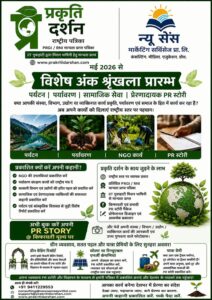
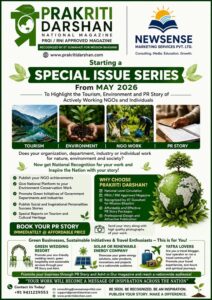
Global Appeal for Support: Prakriti Darshan – Nature and Environment Magazine & Journal
Dear Respected Leaders, Organizations, and Changemakers,
At a time when the world faces unprecedented challenges of climate change, biodiversity loss, deforestation, pollution, and global warming, collective action has become the need of the hour. The responsibility of protecting our planet cannot rest on a few shoulders—it must be a shared mission across governments, global institutions, businesses, academia, and communities.
About Us
Prakriti Darshan – Nature and Environment Magazine (www.prakritidarshan.com) and Prakriti Darshan :International Journal of Environment Science & Multidisciplinary Studies (www.prakritidarshanjournal.com) are global initiatives dedicated to:
- 🌱 Promoting environmental awareness and education.
- 🌎 Supporting United Nations Sustainable Development Goals (SDGs).
- 🦋 Highlighting the role of climate action, biodiversity conservation, renewable energy, eco-friendly practices, and sustainable living.
- 📚 Encouraging research and publications through our international journal.
- 🌳 Driving grassroots action through plantation, seminars, and workshops in schools, institutions, and communities.
Our Global Objectives
We aim to:
- Publish and distribute our environmental magazine free of cost worldwide to increase public awareness.
- Extend the magazine into multiple languages to reach diverse populations.
- Organize environmental seminars, conferences, and workshops both online and offline at schools, universities, and community levels.
- Build a platform for research, policy dialogue, and public participation in environmental conservation.
Our Humble Appeal
We invite Governments, UNEP, UNDP, UNESCO, FAO, IUCN, World Bank, international NGOs, corporates, green businesses, and philanthropists to come forward and strengthen this movement by:
✅ Sponsorship & Advertisements – Support us in reaching millions with environmental knowledge.
✅ Membership Programs – Join our network of eco-conscious individuals and organizations.
✅ Funding Support – Help us distribute Prakriti Darshan Magazine worldwide free of cost.
✅ Collaborations – Partner with us to host environmental events, campaigns, and research projects.
✅ Publishing with Us – Academics, researchers, and writers are invited to publish in our journal to spread innovative ideas globally.
Why Support Us?
By supporting Prakriti Darshan, you directly contribute to:
- SDG 4: Quality Education – spreading environmental education.
- SDG 13: Climate Action – mobilizing communities against climate change.
- SDG 15: Life on Land – promoting biodiversity conservation and plantation drives.
- SDG 17: Partnerships for the Goals – building a global movement through collaboration.
Together, We Can Create Change
Your support will help us expand our reach globally, develop multi-language editions, train young eco-leaders, and inspire millions to protect our only home—Planet Earth.
🌿 Let us join hands to create a world where environment and humanity coexist in harmony.
📩 Contact us through our portals:
- 🌐 www.prakritidarshan.com
- 🌐 www.prakritidarshanjournal.com
- WhatsApp :+91-8191903650 & +91-8191903651
- E mail : support@prakritidarshan.com & editor@prakritidarshanjournal.com
📢 Join the movement – Sponsor, Advertise, Become a Member, Publish, and Support Awareness Campaigns.
👉 Prakriti Darshan is not just a magazine—it is a voice for the planet. With your partnership, we can make it louder, stronger, and global.
Click for more information
- Visit www.prakritidarshan.com for Free Magazine ,Free membership benefits ,offered price magazine @ Rs.1 or Rs.11 only and more ……
Donate for “Hari Ho Vashundhara & Har school Hariyali “ Plantation campaign Associated Partner NGO :GDSS NGOwww.gdssngo.org
🎗️Sponsor Prakriti Darshan Magazine – Support our environment mission.
📚 Explore the Environment Magazine – Read our latest and past issues.
✍️ Read Editor’s Article or Blog – Insightful thoughts from our editorial desk.
🌱 Join Membership – Be part of India’s leading green community.
🤝 Become an NGO Impact Story Partner – Share your grassroots impact nationwide.
🏢 Become a Company Partner – Showcase your CSR, ESG, or sustainability work.
👤 Become an Individual Partner – Volunteer, write, and raise your green voice.
📢 Advertise with Us – Reach eco-conscious readers across India.
BALA DATT SHARMA,
MANAGING EDITOR ,
PRAKRITI DARSHAN-NATURE AND ENVIRONMENT MAGAZINE