
Lions are iconic symbols of strength and courage. Yet their populations face serious threats due to habitat loss, human conflict, and poaching. This article offers a comprehensive comparison between the African lion (Panthera leo leo) and the Asiatic lion (Panthera leo persica), covering their unique characteristics, habitats, behavior, and conservation status. It highlights the key differences between the two subspecies, examines India’s Lions Gir National Park Gujarat as the last stronghold of the Asiatic lion, and provides updated information on lion populations worldwide to raise awareness about their conservation needs.
African Lion Characteristics
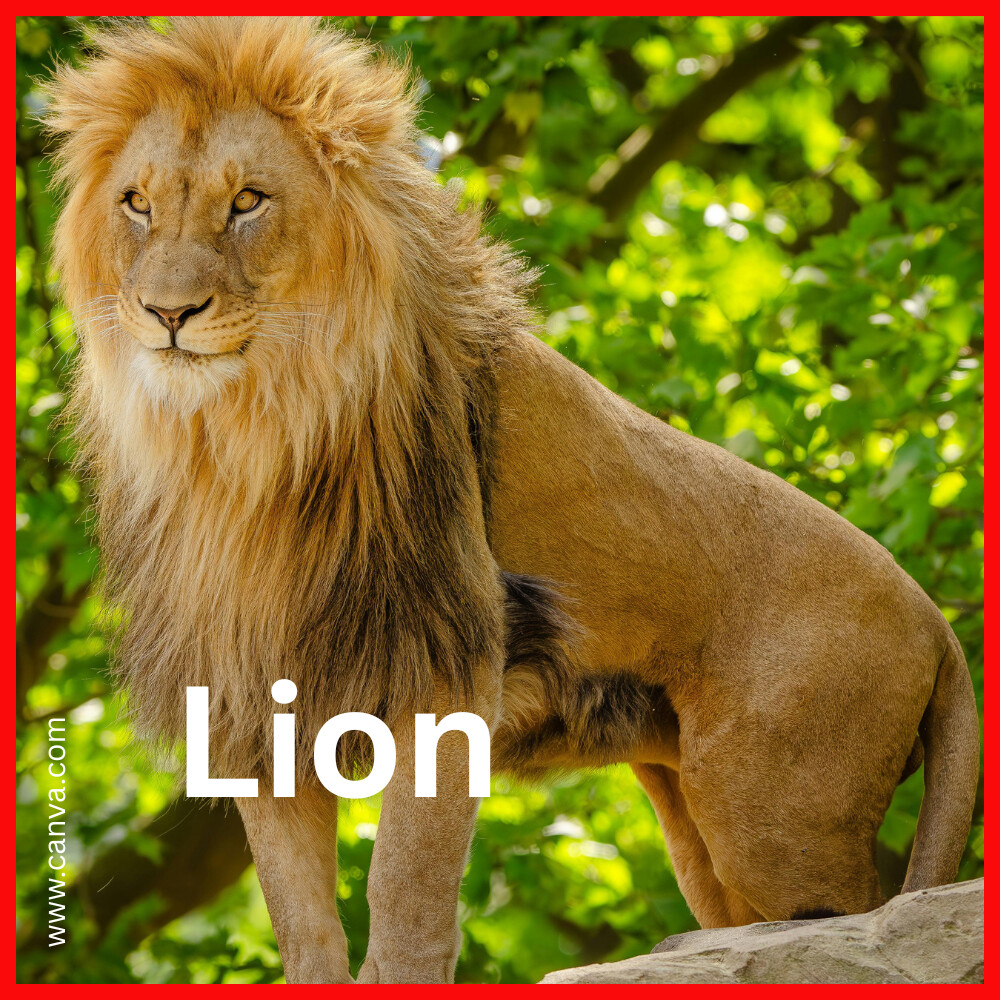
The African lion is found across sub-Saharan Africa and is the most commonly known and widely distributed lion subspecies. These lions are muscular, with broad heads and thick manes that can range in color from blond to black.
Key Features:
Males weigh between 150–250 kg.
Females weigh 110–180 kg.
They form large social groups called prides.
Prefer open savannas, grasslands, and scrublands.
Highly territorial and cooperative hunters.
African lions are dominant predators in the wild, known for their social nature and coordinated hunting strategies led by lionesses.
Asiatic Lion in India
The Asiatic lion, once roaming freely across regions from the Middle East to the Indian subcontinent, is now found exclusively in Gir National Park, located in Gujarat, India. Compared to their African counterparts, Asiatic lions are slightly smaller in size and can be easily identified by a distinct belly fold, shorter manes, and thinner tufts of hair on their elbows.
Unique Traits:
Males weigh 160–190 kg, females around 100–120 kg.
Shorter and less dense mane compared to African lions.
Tend to form smaller prides or live solitarily.
Less aggressive and more cautious in behavior.
Thanks to decades of conservation work, the Asiatic lion population in India has seen a steady rise, though it remains vulnerable due to its limited range.
Lions in Gir National Park Gujarat
Gir National Park Gujarat is the only place in the world where Asiatic lions live in the wild. Spread across approximately 1,400 square kilometers, Gir is home to over 674 lions as per the 2020 population census.
Conservation Highlights:
Declared a protected area in 1965.
Regular monitoring and veterinary support by the Gujarat Forest Department.
Strong community participation in lion conservation.
Plans are underway to establish a second lion habitat to reduce the risk of disease or natural disasters.
Difference Between Lion and Tiger
Although lions and tigers are part of the Panthera genus, they differ significantly in their physical appearance, social structure, and behavior.
| Feature | Lion (Panthera leo) | Tiger (Panthera tigris) |
| Range | Africa, India (Gir Forest) | India, Russia, Southeast Asia |
| Coat | Uniform sandy or golden color | Orange coat with black stripes |
| Social Structure | Lives in prides | Solitary |
| Size | Slightly smaller | Largest of all big cats |
| Mane | Present in males | Absent |
| Roar | Deep and loud | Short and powerful |
Tigers are generally more powerful individually, but lions thrive in groups, giving them an edge in coordinated attacks and territory control.
Lions Gir National Park Gujarat : Lion Conservation in India
India’s lion conservation journey is a remarkable example of wildlife preservation. The population of Asiatic lions has increased steadily from ~180 in the 1970s to over 674 in 2020, thanks to dedicated efforts by the Gujarat Forest Department and national wildlife organizations.
Key Strategies:
Strict anti-poaching laws.
Use of camera traps and radio collars.
Veterinary services and rescue centers.
Public awareness campaigns.
Proposed relocation to Kuno National Park (Madhya Pradesh) for population diversification.
Despite success, conservationists emphasize the need to reduce dependency on a single habitat and ensure genetic diversity.
Status of Asiatic Lion in the World
Asiatic lions are listed on the IUCN Red List as Endangered. The entire wild population exists only in India, which places immense responsibility on Indian conservation efforts. Their limited habitat makes them Special and vulnerable to:
Disease outbreaks (e.g., canine distemper virus).
Natural disasters like forest fires.
Human-wildlife conflict in fringe areas.
Global support, translocation efforts, and continuous scientific research are essential to secure the future of the Asiatic lion.
Country-wise Population of Lions (2024 Estimated Data)
| Country | Lion Population Estimate | Lion Subspecies |
| Tanzania | ~8,000 | African lion |
| South Africa | ~3,000 (wild) and 8,000 (captive) | African lion |
| Kenya | ~2,400 | African lion |
| Botswana | ~2,000 | African lion |
| Zimbabwe | ~1,800 | African lion |
| India | ~674 | Asiatic lion (Panthera leo persica) |
| Namibia | ~800 | African lion |
| Zambia | ~1,200 | African lion |
| Mozambique | ~1,000 | African lion |
| Ethiopia | ~500 | African lion |
Total Global Lion Population (All Subspecies): Estimated at 20,000 to 23,000 in the wild.
Summary
African lions are larger, live in bigger prides, and are more widespread across Africa.
Asiatic lions are smaller, live in India’s Lions Gir National Park Gujarat, and are more endangered.
India is the only country having wild Asiatic lions.
Conservation efforts have been successful in raising the Asiatic lion population, but a second habitat is urgently needed.
Tigers and lions differ significantly, both in behavior and physical traits.
Global lion populations are declining, especially in West and Central Africa.
FAQs
Q1: What is main difference between African and Asiatic lions?
A: African lions are larger with fuller manes and live in large prides. Asiatic lions have a distinct belly fold, smaller manes, and form smaller groups.
Q2: Why are Asiatic lions only found in India?
A: Due to centuries of hunting and habitat loss, their population declined and now survives only in Gir Forest, Gujarat.
Q3: Are lions endangered?
A: Asiatic lions are endangered, while some African lion populations are vulnerable due to habitat loss and conflict with humans.
Q4: Can lions and tigers be found in the same forest?
A: Not naturally. Tigers and lions have different habitat preferences. In India, lions live only in Gir, while tigers are found in various forests.
Q5: Which lion species is stronger?
A: African lions are physically stronger as a group due to pride hunting strategies, while tigers are individually more powerful.
References
- IUCN Red List of Threatened Species – Panthera leo
(https://www.iucnredlist.org/species/15951/115130419) - Gujarat Forest Department – Asiatic Lion Census 2020
(https://forests.gujarat.gov.in/asiatic-lion-population) - World Wildlife Fund (WWF) – Lions
(https://www.worldwildlife.org/species/lion) - National Geographic – Lion Facts
(https://www.nationalgeographic.com/animals/mammals/facts/african-lion) - UNEP – Status and Trends of the Lion Populations in Africa
(https://wedocs.unep.org/handle/20.500.11822/34653)
Global Appeal for Support: Prakriti Darshan – Nature and Environment Magazine & Journal
Dear Respected Leaders, Organizations, and Changemakers,
At a time when the world faces unprecedented challenges of climate change, biodiversity loss, deforestation, pollution, and global warming, collective action has become the need of the hour. The responsibility of protecting our planet cannot rest on a few shoulders—it must be a shared mission across governments, global institutions, businesses, academia, and communities.
About Us
Prakriti Darshan – Nature and Environment Magazine (www.prakritidarshan.com) and Prakriti Darshan :International Journal of Environment Science & Multidisciplinary Studies (www.prakritidarshanjournal.com) are global initiatives dedicated to:
- 🌱 Promoting environmental awareness and education.
- 🌎 Supporting United Nations Sustainable Development Goals (SDGs).
- 🦋 Highlighting the role of climate action, biodiversity conservation, renewable energy, eco-friendly practices, and sustainable living.
- 📚 Encouraging research and publications through our international journal.
- 🌳 Driving grassroots action through plantation, seminars, and workshops in schools, institutions, and communities.
Our Global Objectives
We aim to:
- Publish and distribute our environmental magazine free of cost worldwide to increase public awareness.
- Extend the magazine into multiple languages to reach diverse populations.
- Organize environmental seminars, conferences, and workshops both online and offline at schools, universities, and community levels.
- Build a platform for research, policy dialogue, and public participation in environmental conservation.
Our Humble Appeal
We invite Governments, UNEP, UNDP, UNESCO, FAO, IUCN, World Bank, international NGOs, corporates, green businesses, and philanthropists to come forward and strengthen this movement by:
✅ Sponsorship & Advertisements – Support us in reaching millions with environmental knowledge.
✅ Membership Programs – Join our network of eco-conscious individuals and organizations.
✅ Funding Support – Help us distribute Prakriti Darshan Magazine worldwide free of cost.
✅ Collaborations – Partner with us to host environmental events, campaigns, and research projects.
✅ Publishing with Us – Academics, researchers, and writers are invited to publish in our journal to spread innovative ideas globally.
Why Support Us?
By supporting Prakriti Darshan, you directly contribute to:
- SDG 4: Quality Education – spreading environmental education.
- SDG 13: Climate Action – mobilizing communities against climate change.
- SDG 15: Life on Land – promoting biodiversity conservation and plantation drives.
- SDG 17: Partnerships for the Goals – building a global movement through collaboration.
Together, We Can Create Change
Your support will help us expand our reach globally, develop multi-language editions, train young eco-leaders, and inspire millions to protect our only home—Planet Earth.
🌿 Let us join hands to create a world where environment and humanity coexist in harmony.
📩 Contact us through our portals:
- 🌐 www.prakritidarshan.com
- 🌐 www.prakritidarshanjournal.com
- WhatsApp :+91-8191903650 & +91-8191903651
- E mail : support@prakritidarshan.com & editor@prakritidarshanjournal.com
📢 Join the movement – Sponsor, Advertise, Become a Member, Publish, and Support Awareness Campaigns.
👉 Prakriti Darshan is not just a magazine—it is a voice for the planet. With your partnership, we can make it louder, stronger, and global.
Click for more information
- Visit www.prakritidarshan.com for Free Magazine ,Free membership benefits ,offered price magazine @ Rs.1 or Rs.11 only and more ……
- 🎗️Sponsor Prakriti Darshan Magazine – Support our environment mission.
- 📚 Explore the Environment Magazine – Read our latest and past issues.
- ✍️ Read Editor’s Article or Blog – Insightful thoughts from our editorial desk.
- 🌱 Join Membership – Be part of India’s leading green community.
- 🤝 Become an NGO Impact Story Partner – Share your grassroots impact nationwide.
- 🏢 Become a Company Partner – Showcase your CSR, ESG, or sustainability work.
- 👤 Become an Individual Partner – Volunteer, write, and raise your green voice.
- 📢 Advertise with Us – Reach eco-conscious readers across India.
- Eco Trails Newsletter
- Donate for “Hari Ho Vashundhara & Har school Hariyali “ Plantation campaign Associated Partner NGO :GDSS NGO www.gdssngo.org
BALA DATT SHARMA,
MANAGING EDITOR ,
PRAKRITI DARSHAN-NATURE AND ENVIRONMENT MAGAZINE