
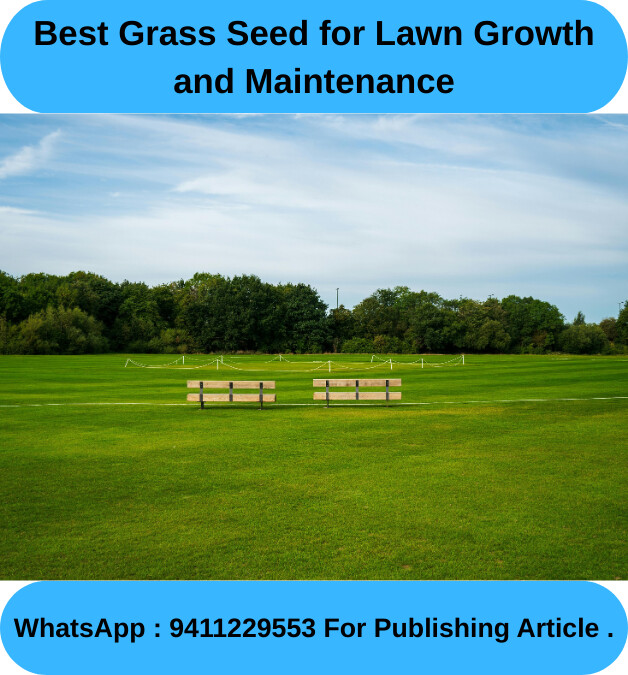
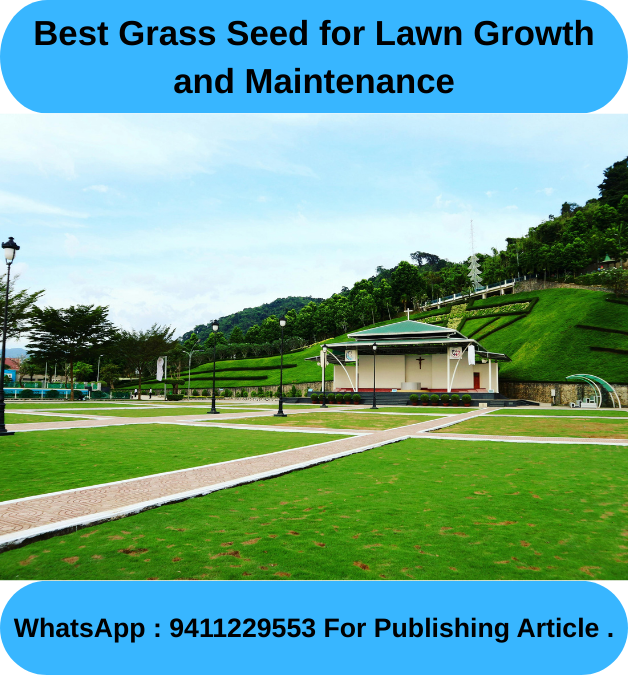
Best Garden Grass Seed is the backbone of every beautiful lawn, sports ground, and green space. Selecting the right grass seed depends on climate, soil quality, and purpose—whether it’s for a backyard lawn, sports turf, or erosion control. With countless options available, understanding seed varieties, planting methods, and maintenance practices becomes essential. This article provides a comprehensive guide to grass seed types, planting techniques, care tips, and frequently asked questions, helping homeowners, landscapers, and gardeners create healthy, vibrant lawns.
Table of Contents
- Introduction to Best Garden Grass Seed
- Why Grass Seed Matters in Landscaping
- Major Types of Grass Seed
- Cool-Season Grass Seeds
- Warm-Season Grass Seeds
- Shade-Tolerant Varieties
- Key Factors Before Choosing Grass Seed
- Step-by-Step Guide to Planting Grass Seed
- Common Seeding Mistakes to Avoid
- Grass Seed vs Sod: Which One Should You Choose?
- Pro Lawn Care and Maintenance Tips
- Eco-Friendly Benefits of Using Grass Seed
- Global Market Trends and Demand for Grass Seed
- FAQs on Grass Seed (15 Q&A)
- Summary
- Conclusion
- References
1. Introduction to Best Garden Grass Seed
Grass seed is the starting point of a green lawn. Unlike sod, which provides instant greenery, grass seed allows you to grow your lawn naturally from scratch. When sown under the right conditions, grass seed germinates into dense turf that is not only aesthetically pleasing but also functional.
From playgrounds and golf courses to parks and home gardens, grass seed is used worldwide to create green landscapes that enhance both beauty and biodiversity.
2. Why Garden Grass Seed Matters in Landscaping
Grass seed offers multiple benefits beyond visual appeal:
- Soil Protection: Prevents erosion and keeps soil intact.
- Air Purification: Lawns trap dust, dirt, and pollutants.
- Temperature Control: Reduces heat in urban areas by lowering surface temperatures.
- Recreation: Provides safe and soft ground for outdoor activities.
- Property Value: A well-maintained lawn increases home value.
3. Major Types of Garden Grass Seed
a) Cool-Season Grass Seeds
Cool-season grass thrives in regions with cold winters and mild summers.
- Kentucky Bluegrass – Popular for its rich green color and durability.
- Tall Fescue – Heat and drought tolerant.
- Perennial Ryegrass – Quick germination, great for overseeding.
b) Warm-Season Grass Seeds
Warm-season grasses grow well in hot, sunny regions.
- Bermuda Grass – Excellent for lawns and sports fields, drought-resistant.
- Zoysia Grass – Dense, carpet-like growth, requires less mowing.
- Bahia Grass – Hardy, low-maintenance grass suitable for poor soils.
c) Shade-Tolerant Varieties
For yards with limited sunlight:
- Fine Fescue – Low maintenance and thrives in shady areas.
- Creeping Red Fescue – Spreads naturally and adapts to shade.
Common Garden Grass Seed Varieties and Their Features :
| Grass Seed Type | Climate Suitability | Growth Speed | Shade Tolerance | Maintenance Level | Common Uses |
| Kentucky Bluegrass | Cool-Season | Medium | Moderate | High | Lawns, parks, sports fields |
| Perennial Ryegrass | Cool-Season | Fast | Low | Medium | Quick cover, overseeding |
| Tall Fescue | Cool-Season | Medium-Fast | Moderate | Medium | Residential lawns, pastures |
| Bermuda Grass | Warm-Season | Fast | Low | High | Sports fields, sunny lawns |
| Zoysia Grass | Warm-Season | Slow | Moderate | Low | Lawns, golf courses |
| Bahia Grass | Warm-Season | Medium | Low | Low | Roadsides, erosion control |
| Fine Fescue | Cool-Season | Medium | High | Low | Shady lawns, natural lawns |
Grass Seed Germination and Growth Time :
| Grass Seed Type | Germination Time (Days) | Establishment Period | Ideal Planting Season |
| Perennial Ryegrass | 5–10 days | 2–3 weeks | Fall / Spring |
| Kentucky Bluegrass | 14–30 days | 2–3 months | Fall / Early Spring |
| Tall Fescue | 7–12 days | 1–2 months | Fall / Spring |
| Bermuda Grass | 10–30 days | 2–3 months | Late Spring / Summer |
| Zoysia Grass | 14–21 days | 2–3 months | Late Spring / Summer |
| Fine Fescue | 7–14 days | 1–2 months | Fall / Early Spring |
Grass Seed Coverage and Cost Estimate (Approximate) :
| Grass Seed Type | Coverage (per 1 lb) | Recommended Seeding Rate | Average Price (USD/lb) | Cost per 1,000 sq. ft. |
| Kentucky Bluegrass | 200–250 sq. ft. | 2–3 lbs / 1,000 sq. ft. | $6–$8 | $12–$24 |
| Perennial Ryegrass | 300–400 sq. ft. | 4–5 lbs / 1,000 sq. ft. | $3–$5 | $12–$20 |
| Tall Fescue | 200–250 sq. ft. | 5–6 lbs / 1,000 sq. ft. | $4–$6 | $20–$36 |
| Bermuda Grass | 300–400 sq. ft. | 1–2 lbs / 1,000 sq. ft. | $8–$10 | $8–$20 |
| Zoysia Grass | 200–300 sq. ft. | 1–2 lbs / 1,000 sq. ft. | $10–$12 | $10–$24 |
4. Key Factors Before Choosing Grass Seed
When selecting grass seed, consider:
- Climate Zone: Cool-season vs warm-season.
- Soil Type: Clay, sandy, or loamy soil.
- Sun Exposure: Full sun, partial shade, or heavy shade.
- Purpose: Ornamental lawn, sports ground, erosion control, or pasture.
- Water Availability: Some grasses need more water than others.
5. Step-by-Step Guide to Planting Grass Seed
- Soil Preparation: Remove weeds, rocks, and debris. Loosen soil to improve seed contact.
- Testing Soil: Check pH levels (ideal range: 6–7).
- Seeding: Spread seeds evenly using a broadcast spreader.
- Covering: Lightly rake soil to ensure good seed-to-soil contact.
- Watering: Keep the soil moist until germination.
- Protection: Use mulch or straw to retain moisture and prevent birds from eating seeds.
6. Common Seeding Mistakes to Avoid
- Planting during the wrong season.
- Overwatering or underwatering.
- Using too much or too little seed.
- Neglecting soil testing and fertilization.
- Mowing too early after germination.
7. Grass Seed vs Sod: Which One Should You Choose?
- Grass Seed: Cheaper, offers more variety, requires patience for growth.
- Sod: Instant lawn, suitable for quick landscaping projects, but costly.
👉 For homeowners on a budget, grass seed is the better option. For quick results (weddings, events, new homes), sod works well.
8. Pro Lawn Care and Maintenance Tips
- Mowing: Keep grass at the right height (usually 2.5–3.5 inches).
- Watering: Deep watering twice a week is better than daily shallow watering.
- Fertilization: Use nitrogen-rich fertilizer in spring and fall.
- Aeration: Relieves soil compaction and improves water absorption.
- Weed Control: Use eco-friendly methods like vinegar spray or corn gluten meal.
9. Eco-Friendly Benefits of Using Grass Seed
- Enhances biodiversity by supporting insects and birds.
- Acts as a carbon sink by absorbing CO₂.
- Reduces urban heat islands.
- Filters rainwater, improving groundwater quality.
- Natural solution for soil erosion.
10. Global Market Trends and Demand for Grass Seed
The global grass seed market is worth around USD 9 billion (2024) and is expected to grow steadily due to urban landscaping, golf courses, sports stadiums, and home gardening trends. With rising awareness of eco-friendly living, demand for drought-resistant and organic grass seeds is increasing.
11. FAQs on Garden Grass Seed
Q1. What is the best grass seed for hot climates?
Bermuda and Zoysia grass thrive in hot conditions.
Q2. Which grass seed germinates the fastest?
Perennial ryegrass germinates in 5–10 days.
Q3. Can I plant grass seed in winter?
No, frozen soil prevents germination. Plant in spring or fall.
Q4. How long does grass seed take to grow?
7–21 days depending on the type.
Q5. Can I mix grass seed types?
Yes, seed blends improve resilience.
Q6. Do I need fertilizer when planting grass seed?
Starter fertilizer boosts germination and root growth.
Q7. Is grass seed safe for pets?
Yes, once established. Avoid harmful chemicals.
Q8. How often should I water new grass seed?
Light daily watering until roots establish.
Q9. Should I cover grass seed with topsoil?
A thin layer improves protection and germination.
Q10. Can old grass seed still grow?
Expired seeds have low germination rates.
Q11. Which grass seed is best for shade?
Fine fescue varieties are most shade-tolerant.
Q12. What’s the difference between coated and uncoated seed?
Coated seeds retain moisture but cost more.
Q13. Can grass seed grow on sand?
Yes, but sandy soil needs more organic matter.
Q14. Should I use straw over grass seed?
Yes, it prevents seed loss and retains moisture.
Q15. How much grass seed do I need per square foot?
On average, 2–3 pounds per 1,000 sq. ft.
12. Summary
Grass seed is the foundation of any healthy lawn. The right seed selection, soil preparation, and regular maintenance can transform bare ground into lush greenery. Whether you’re a homeowner, landscaper, or sports ground manager, investing time and care into grass seed ensures long-term benefits.
13. Conclusion
Choosing the best grass seed requires understanding your climate, soil, and intended use. Unlike sod, grass seed offers a budget-friendly, eco-conscious solution that, with patience, grows into a thriving lawn. By following the right planting methods and maintenance practices, anyone can achieve a durable, beautiful, and sustainable green space.
14. References
- Beard, J. B. (2017). Turfgrass: Science and Culture. Prentice Hall.
- FAO (2023). Sustainable Grassland and Pasture Management.
- U.S. Department of Agriculture – National Turfgrass Evaluation Program (NTEP).
- Lawn Institute. (2024). Grass Seed Facts and Tips.
- Global Market Insights (2024). Grass Seed Market Size and Trends.
Global Appeal for Support: Prakriti Darshan – Nature and Environment Magazine & Journal
Dear Respected Leaders, Organizations, and Changemakers,
At a time when the world faces unprecedented challenges of climate change, biodiversity loss, deforestation, pollution, and global warming, collective action has become the need of the hour. The responsibility of protecting our planet cannot rest on a few shoulders—it must be a shared mission across governments, global institutions, businesses, academia, and communities.
About Us
Prakriti Darshan – Nature and Environment Magazine (www.prakritidarshan.com) and Prakriti Darshan :International Journal of Environment Science & Multidisciplinary Studies (www.prakritidarshanjournal.com) are global initiatives dedicated to:
- 🌱 Promoting environmental awareness and education.
- 🌎 Supporting United Nations Sustainable Development Goals (SDGs).
- 🦋 Highlighting the role of climate action, biodiversity conservation, renewable energy, eco-friendly practices, and sustainable living.
- 📚 Encouraging research and publications through our international journal.
- 🌳 Driving grassroots action through plantation, seminars, and workshops in schools, institutions, and communities.
Our Global Objectives
We aim to:
- Publish and distribute our environmental magazine free of cost worldwide to increase public awareness.
- Extend the magazine into multiple languages to reach diverse populations.
- Organize environmental seminars, conferences, and workshops both online and offline at schools, universities, and community levels.
- Build a platform for research, policy dialogue, and public participation in environmental conservation.
Our Humble Appeal
We invite Governments, UNEP, UNDP, UNESCO, FAO, IUCN, World Bank, international NGOs, corporates, green businesses, and philanthropists to come forward and strengthen this movement by:
✅ Sponsorship & Advertisements – Support us in reaching millions with environmental knowledge.
✅ Membership Programs – Join our network of eco-conscious individuals and organizations.
✅ Funding Support – Help us distribute Prakriti Darshan Magazine worldwide free of cost.
✅ Collaborations – Partner with us to host environmental events, campaigns, and research projects.
✅ Publishing with Us – Academics, researchers, and writers are invited to publish in our journal to spread innovative ideas globally.
Why Support Us?
By supporting Prakriti Darshan, you directly contribute to:
- SDG 4: Quality Education – spreading environmental education.
- SDG 13: Climate Action – mobilizing communities against climate change.
- SDG 15: Life on Land – promoting biodiversity conservation and plantation drives.
- SDG 17: Partnerships for the Goals – building a global movement through collaboration.
Together, We Can Create Change
Your support will help us expand our reach globally, develop multi-language editions, train young eco-leaders, and inspire millions to protect our only home—Planet Earth.
🌿 Let us join hands to create a world where environment and humanity coexist in harmony.
📩 Contact us through our portals:
- 🌐 www.prakritidarshan.com
- 🌐 www.prakritidarshanjournal.com
- WhatsApp :+91-8191903650 & +91-8191903651
- E mail : support@prakritidarshan.com & editor@prakritidarshanjournal.com
📢 Join the movement – Sponsor, Advertise, Become a Member, Publish, and Support Awareness Campaigns.
👉 Prakriti Darshan is not just a magazine—it is a voice for the planet. With your partnership, we can make it louder, stronger, and global.
Click for more information
- Visit www.prakritidarshan.com for Free Magazine ,Free membership benefits ,offered price magazine @ Rs.1 or Rs.11 only and more ……
Donate for “Hari Ho Vashundhara & Har school Hariyali “ Plantation campaign Associated Partner NGO :GDSS NGOwww.gdssngo.org
🎗️Sponsor Prakriti Darshan Magazine – Support our environment mission.
📚 Explore the Environment Magazine – Read our latest and past issues.
✍️ Read Editor’s Article or Blog – Insightful thoughts from our editorial desk.
🌱 Join Membership – Be part of India’s leading green community.
🤝 Become an NGO Impact Story Partner – Share your grassroots impact nationwide.
🏢 Become a Company Partner – Showcase your CSR, ESG, or sustainability work.
👤 Become an Individual Partner – Volunteer, write, and raise your green voice.
📢 Advertise with Us – Reach eco-conscious readers across India.
BALA DATT SHARMA,
MANAGING EDITOR ,
PRAKRITI DARSHAN-NATURE AND ENVIRONMENT MAGAZINE