

Global Warming, Heat Waves, Biodiversity Conservation and the Collective Responsibility to Protect Mother Earth : Every year on 5 June, the world comes together to celebrate World Environment Day 2026 , one of the most significant global observances dedicated to environmental protection. More than a symbolic event, World Environment Day serves as a reminder that the future of humanity is directly linked to the health of our environment.
As we observe World Environment Day 2026, the planet faces unprecedented challenges. Rising temperatures, record-breaking heat waves, shrinking forests, disappearing biodiversity, polluted rivers, and increasing natural disasters are warning signs that nature can no longer be taken for granted.
The message of this year’s observance is clear: “Save Life, Save Environment.” If we protect nature today, nature will continue to protect us tomorrow.

World Environment Day 2026 Theme: Climate Action
The official theme of World Environment Day 2026 is “Climate Action.” The theme reflects one of the greatest challenges facing humanity today—climate change.
The planet is continuously sending warning signals. Rising global temperatures, prolonged heat waves, devastating wildfires, melting glaciers, rising sea levels, extreme rainfall, floods, and droughts are no longer future predictions; they are realities being experienced across the world.
Earth’s average temperature should not exceed the critical threshold of 1.5°C above
For decades, scientists, environmentalists, and international organizations have warned that the Earth’s average temperature should not exceed the critical threshold of 1.5°C above pre-industrial levels. However, recent climate assessments indicate that the world is moving dangerously close to this limit.
The message of World Environment Day 2026 is not only about recognizing environmental threats but also about inspiring solutions and encouraging everyone to become part of the change.
Across the globe, positive environmental transformations are already underway:
- Solar energy is expanding rapidly.
- Wind power installations are increasing.
- Cities are becoming greener and more sustainable.
- Forest restoration projects are reviving degraded landscapes.
- Communities are adopting climate-friendly lifestyles.
- Young people are leading environmental movements.
These encouraging developments demonstrate that meaningful change is possible when governments, industries, institutions, and citizens work together.
The central message of World Environment Day 2026 is clear: the question is no longer whether climate change will affect us, but how quickly and effectively we respond.
Every individual has a role to play. Planting trees, conserving water, reducing pollution, protecting biodiversity, and supporting renewable energy are no longer optional actions—they are essential responsibilities.
The global campaign for World Environment Day 2026 calls upon humanity to listen to the signals of nature and respond with decisive climate action. By acting today, we can protect ecosystems, safeguard livelihoods, and secure a sustainable future for generations to come.

Host Country of World Environment Day 2026
The global commemoration of World Environment Day 2026 will be hosted by the Republic of Azerbaijan in its capital city, Baku, on 5 June 2026.
As nations gather to discuss climate solutions, Azerbaijan’s hosting of this global event symbolizes the importance of international cooperation in addressing climate change and building a greener future for all.
Why World Environment Day 2026 Matters More Than Ever
The environment is not merely a collection of trees, rivers, mountains, and wildlife. It is the foundation of human existence. Clean air, safe drinking water, fertile agricultural land, and a stable climate are essential for every living being.
However, decades of unchecked pollution, excessive consumption of natural resources, deforestation, and greenhouse gas emissions have disturbed Earth’s natural balance.
Today, climate scientists across the world agree that climate change is no longer a future threat—it is a present reality. Heat waves, floods, droughts, cyclones, and wildfires are affecting millions of people every year.
This makes World Environment Day not just an environmental campaign but a global movement for survival.
Global Warming: A Serious Warning for Humanity
Over the last five decades, Earth’s average temperature has increased significantly. According to international climate agencies, the past decade has been the warmest period ever recorded.
Global Temperature Rise During the Last 50 Years
| Year | Average Global Temperature Rise Above Pre-Industrial Levels |
| 1975 | 0.10°C |
| 1985 | 0.30°C |
| 1995 | 0.50°C |
| 2005 | 0.75°C |
| 2015 | 1.05°C |
| 2020 | 1.20°C |
| 2025 | 1.43°C |
What Does This Mean?
A rise of just one degree may appear small, but for Earth’s climate system it is enormous. Even slight increases in global temperatures can lead to:
- More frequent heat waves
- Intense rainfall and flooding
- Melting glaciers
- Rising sea levels
- Reduced agricultural productivity
- Increased water scarcity
- Greater risks to wildlife and biodiversity
The evidence is clear: protecting the environment is no longer optional; it is essential.
Heat Waves: India’s Growing Climate Challenge 2026
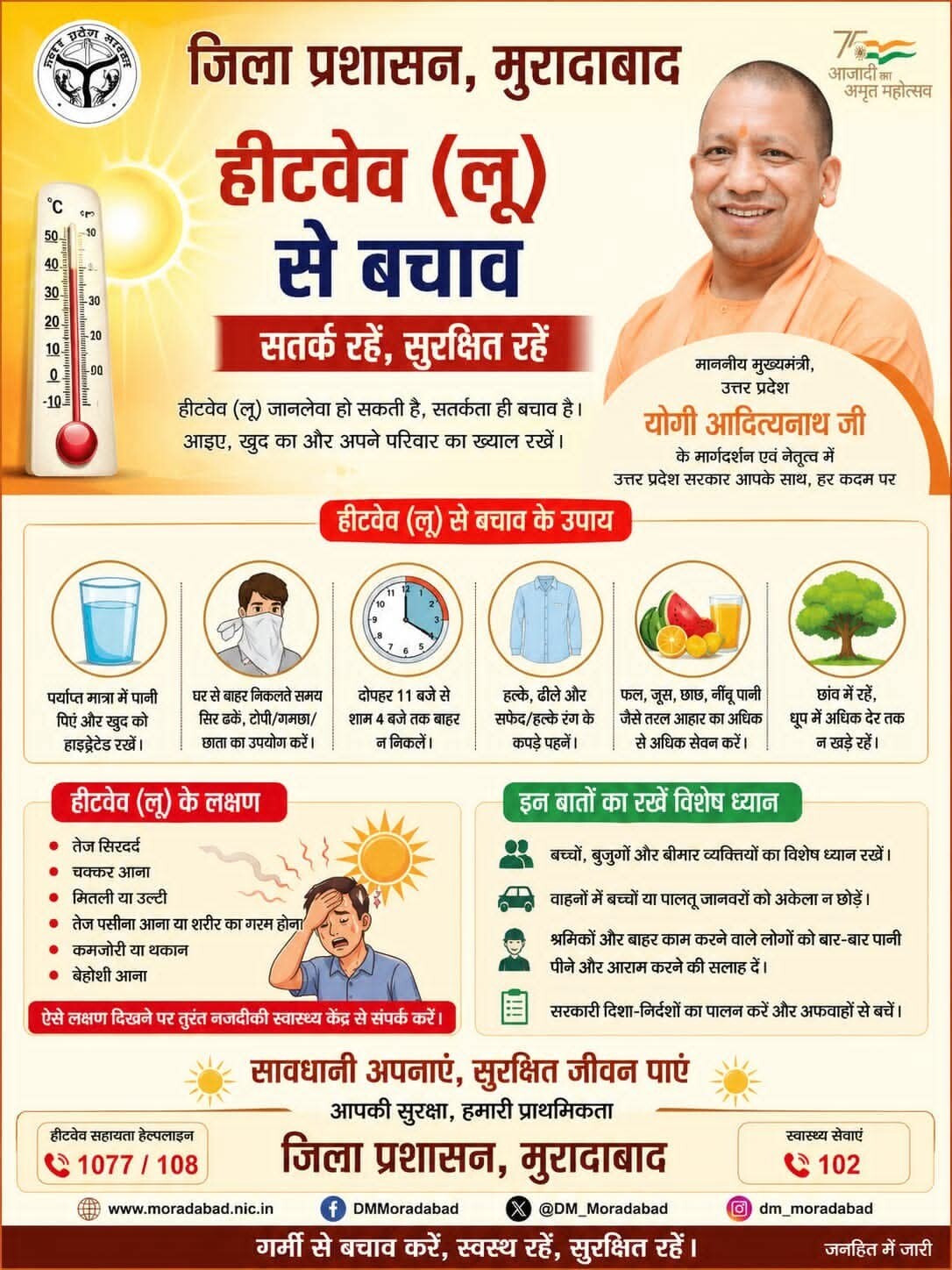
India has witnessed a dramatic increase in extreme heat events over the past few years. During summer seasons, many regions regularly experience temperatures exceeding 45°C.
Major Heat Wave-Affected States in India 2026
| State | Heat Wave Risk |
| Rajasthan | Very High |
| Uttar Pradesh | Very High |
| Madhya Pradesh | Very High |
| Delhi | Very High |
| Haryana | High |
| Punjab | High |
| Gujarat | Very High |
| Maharashtra | High |
| Bihar | High |
| Jharkhand | High |
| Odisha | High |
| Chhattisgarh | High |
| Telangana | High |
| Andhra Pradesh | Moderate to High |
| Karnataka | Moderate |
| Tamil Nadu | Moderate |
Heat waves not only affect human health but also threaten agriculture, livestock, water resources, and local ecosystems.
Thousands of birds, animals, and even stray animals suffer due to water scarcity during extreme summers.
Biodiversity: Nature’s Life Support System
Biodiversity refers to the variety of plants, animals, birds, insects, and microorganisms that share our planet.
Every species plays an important role in maintaining ecological balance. When forests disappear and habitats are destroyed, wildlife populations decline and ecosystems become unstable.
Protecting biodiversity helps:
- Improve food security
- Maintain soil fertility
- Protect water sources
- Support pollination of crops
- Reduce climate risks
- Maintain ecological balance
This is why World Environment Day 2026 emphasizes restoration of nature and conservation of biodiversity.
Save Life, Save Environment: Why This Message Matters
The slogan “Save Life, Save Environment” reflects a simple truth: human life cannot survive without a healthy environment.
When forests disappear, oxygen production decreases.
If rivers become polluted, drinking water becomes scarce.
After biodiversity declines, food chains collapse.
If climate change continues unchecked, future generations will inherit a planet facing severe environmental crises.
Saving the environment means saving:
- Human life
- Wildlife
- Agriculture
- Water resources
- Future generations
Every citizen has a role to play.
Small Actions Can Create Big Changes
Many people believe environmental protection is the responsibility of governments alone. In reality, every individual can contribute.
Simple Environmental Actions
Plant at least one tree every year.
Reduce plastic usage.
Save electricity and water.
Use public transportation whenever possible.
Protect local water bodies.
Promote rainwater harvesting.
Avoid food wastage.
Support eco-friendly products.
Encourage environmental education among children.
Protect birds and animals during extreme summers.
Keep Water for Birds and Animals
One of the simplest yet most meaningful actions during summer is placing water bowls outside homes, schools, offices, parks, and villages.
Every year, countless birds and animals suffer due to dehydration and rising temperatures.
A small earthen pot filled with clean water can save many lives.
On this World Environment Day 2026 , citizens across India are encouraged to:
- Keep water bowls for birds.
- Maintain water points for stray animals.
- Plant shade-giving trees.
- Protect local biodiversity.
Compassion for nature begins with small acts of kindness.
Support National Green Campaigns
To strengthen environmental awareness and action, citizens are encouraged to actively participate in the following campaigns:
Har School Hariyali :
Every school should become a green campus by planting and protecting trees, creating herbal gardens, and promoting environmental education among students.
Mera Gaon Meri Chaanv
This campaign encourages rural communities to plant large numbers of shade-giving trees, making villages greener, cooler, and more climate-resilient.
Hari Ho Vasundhara
A nationwide movement aimed at increasing tree cover, protecting biodiversity, conserving water resources, and promoting sustainable lifestyles.
These campaigns have the potential to transform India’s environmental future through collective participation.
Prakriti Darshan’s National Appeal for a Greener India
World Environment Day is not merely a date on the calendar—it is an opportunity to take meaningful action. On this occasion, Prakriti Darshan – National Magazine & Newspaper Group urges every individual, institution, and community across India to contribute towards environmental protection by planting trees, conserving water, protecting biodiversity, keeping water for birds and animals, and supporting the campaigns “Har School Hariyali,” “Mera Gaon Meri Chaanv,” and “Hari Ho Vasundhara.”
We also invite citizens to share their environmental initiatives, tree plantation drives, water conservation efforts, and biodiversity conservation activities. Outstanding contributions will be highlighted through Prakriti Darshan Magazine, Newspaper, Website, and Digital Platforms to inspire positive environmental action across the country.
“Save Life, Save Environment”
Let us pledge to:
- Plant and protect trees.
- Save water for future generations.
- Keep water for birds and animals.
- Reduce pollution.
- Protect forests and biodiversity.
- Support Har School Hariyali.
- Support Mera Gaon Meri Chaanv.
- Support Hari Ho Vasundhara.
- Encourage environmental awareness in every community.



Prakriti Darshan Group invites schools, colleges, NGOs, panchayats, resident welfare associations, industries, and environmental volunteers to share details and photographs of their environmental activities.
Outstanding initiatives from across India will be highlighted through our magazine, newspaper, website, and digital platforms to inspire others and promote a greener nation.
Conclusion
World Environment Day 2026 reminds us that the future of humanity depends upon the choices we make today. Climate change, heat waves, biodiversity loss, and environmental degradation are global challenges that require collective solutions.
The responsibility does not belong to governments alone. This is the responsibility of Every citizen to save life to save nature .
When we plant a tree, save water, protect wildlife, or place a bowl of water for a thirsty bird, we contribute to a larger mission of environmental conservation.
Let World Environment Day 2026 become a turning point where awareness transforms into action.
Together, let us pledge:
“Save Life, Save Environment.”
“Har School Hariyali.”
“Mera Gaon Meri Chaanv.”
“Hari Ho Vasundhara.”
Because a healthy environment is the greatest gift we can leave for future generations.
Frequently Asked Questions (FAQs) About World Environment Day 2026
1. What is World Environment Day?
World Environment Day is the largest global environmental awareness campaign celebrated every year on 5 June to encourage action for protecting nature, conserving resources, and promoting sustainable development.
2. When is World Environment Day 2026 celebrated?
World Environment Day 2026 will be observed worldwide on 5 June 2026.
3. What is the theme of World Environment Day 2026?
The official theme of World Environment Day 2026 is “Climate Action.” The theme emphasizes the urgent need to respond to climate change and accelerate efforts to protect the planet.
4. Which country is hosting World Environment Day 2026?
The Republic of Azerbaijan will host the global celebrations of World Environment Day 2026 in its capital city, Baku.
5. Why is Climate Action the theme for World Environment Day 2026?
Climate change is one of the greatest challenges facing humanity. Rising temperatures, heat waves, floods, droughts, wildfires, and melting glaciers highlight the need for immediate climate action.
FAQ
6. Why is World Environment Day important?
World Environment Day creates awareness about environmental issues and motivates governments, institutions, and citizens to take meaningful actions for protecting nature and ensuring a sustainable future.
7. What are the major environmental challenges facing the world today?
Major environmental challenges include climate change, global warming, biodiversity loss, pollution, deforestation, water scarcity, and increasing natural disasters.
8. What is global warming?
Global warming refers to the long-term increase in Earth’s average temperature due to greenhouse gas emissions from human activities such as burning fossil fuels and deforestation.
9. How does climate change affect human life?
Climate change affects health, agriculture, water resources, biodiversity, food security, and economic development through extreme weather events and environmental degradation.
10. Why are heat waves increasing in India?
Rising global temperatures, urbanization, changing weather patterns, and climate change are contributing to more frequent and intense heat waves across India.
FAQ :
11. Which Indian states are most vulnerable to heat waves?
States such as Rajasthan, Uttar Pradesh, Madhya Pradesh, Gujarat, Delhi, Haryana, and Maharashtra are among the most heatwave-prone regions in India.
12. What is biodiversity and why is it important?
Biodiversity refers to the variety of living organisms on Earth. It supports food production, clean water, healthy ecosystems, pollination, and climate resilience.
13. What does the slogan “Save Life, Save Environment” mean?
The slogan highlights the direct connection between environmental health and human well-being. Protecting nature means protecting life, livelihoods, and future generations.
14. How can individuals contribute to environmental conservation?
Individuals can plant trees, save water, reduce plastic use, conserve energy, use public transport, support eco-friendly products, and spread environmental awareness.
FAQ
15. Why should we keep water for birds and animals during summer?
Extreme heat causes dehydration among birds and animals. Providing clean drinking water can save lives and support local biodiversity.
16. What is the “Har School Hariyali” campaign?
“Har School Hariyali” is a green initiative encouraging schools to plant trees, create eco-friendly campuses, and promote environmental education among students. Launched By Prakriti Darshan, National Environmental Magazine Group .
17. What is the “Mera Gaon Meri Chaanv” campaign?
Mera Gaon Meri Chaanv promotes tree plantation and environmental conservation in rural areas to create greener, cooler, and more sustainable villages. Launched By Prakriti Darshan, National Environmental Magazine Group .
18. What is the “Hari Ho Vasundhara” campaign?
Hari Ho Vasundhara is a nationwide environmental movement aimed at increasing green cover, conserving biodiversity, protecting water resources, and encouraging sustainable lifestyles. Launched By Prakriti Darshan, National Environmental Magazine Group .
19. How can schools, NGOs, and institutions participate in environmental campaigns?
Organizations can conduct tree plantation drives, awareness programs, water conservation activities, biodiversity projects, and share their achievements with environmental platforms like Prakriti Darshan.
20. What message does World Environment Day 2026 give to humanity?
World Environment Day 2026 reminds us that the future of our planet depends on the actions we take today. Through Climate Action, environmental conservation, and collective responsibility, we can build a greener, healthier, and more sustainable world for future generations.
References
- United Nations Environment Programme (UNEP), World Environment Day 2026.
- World Meteorological Organization (WMO), State of the Global Climate Reports.
- United Nations Climate Reports.
- NOAA Global Temperature Assessment.
- India Meteorological Department (IMD) Heat Wave Bulletins.
- UNEP Emissions Gap Reports.
- Intergovernmental Panel on Climate Change (IPCC).
- Council on Energy, Environment and Water (CEEW).
- Scientific Climate and Environmental Research Publications.
- Sustainable Development Goals (United Nations).
- Prakriti Darshan ,National Magazine www.prakritidarshan.com & www.prakritidarshannews.com